Top Home Comfort Upgrades That Make a Big Difference
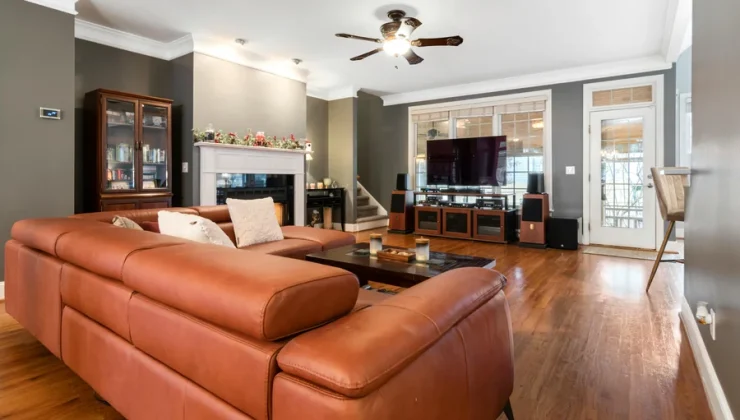
Most homeowners want the same thing at the end of the day. They want to walk into a house that feels comfortable. Comfort is not just about looks. It affects how well you sleep, how relaxed you feel, and how much you enjoy being at home. When comfort issues show up, they tend to stick around until you address them.
For homeowners in Katy, TX, comfort can feel tricky. Hot summers push cooling systems hard, while cooler winter nights still require reliable heat. Small problems often grow into daily frustrations. The good news is that a few smart upgrades can make a noticeable difference without turning into major projects.
This guide walks through home comfort upgrades that truly matter. These improvements focus on how your home feels, not just how it looks.
Upgrade Your Heating System for Better Comfort
Heating may not feel like a top concern throughout the year, but it plays a key role in how comfortable your home feels once temperatures drop. When a furnace starts to struggle, you may notice uneven warmth, unusual noises, or certain rooms that never seem to reach the right temperature. These issues affect comfort long before the system completely stops working.
Many homeowners put off heating issues because the furnace still turns on and produces heat. Over time, that delay often leads to higher energy bills and ongoing discomfort. Scheduling furnace repair in Katy, TX at the first sign of trouble can help restore steady, even heating and prevents small problems from turning into larger ones. Repairs also reduce stress on the system, which allows it to run more smoothly and quietly.
When a heating system works the way it should, comfort improves quickly. Warm air reaches every room more evenly, temperature swings become less noticeable, and the system cycles properly instead of running nonstop. Taking care of heating concerns early helps homeowners maintain comfort without jumping straight to a full system replacement.
Improve Insulation to Maintain Indoor Temperatures
Insulation plays a huge role in how comfortable a home feels. Many homes lose heated or cooled air through attics, walls, and crawl spaces. When that happens, rooms feel drafty or uneven no matter how hard the system works.
Upgrading insulation helps keep indoor temperatures steady. Warm air stays inside during cooler months, while cool air remains indoors during warmer seasons. This balance makes rooms feel more consistent throughout the day.
Insulation upgrades also reduce how often heating and cooling systems need to run. That means fewer temperature swings and less strain on equipment. Homeowners often notice improved comfort right away, especially in rooms that used to feel uncomfortable.
Upgrade to a Smart Thermostat
A smart thermostat gives homeowners better control over indoor comfort. Instead of adjusting the temperature manually, these devices learn schedules and adjust settings automatically. This keeps temperatures comfortable without constant changes.
Smart thermostats help avoid overheating or overcooling. They allow different settings for daytime, nighttime, and weekends. Many models also allow control through a phone, which helps when plans change.
Comfort improves because temperatures stay consistent. Rooms feel comfortable when they are in use instead of reacting too late. For many homeowners, this upgrade offers noticeable comfort improvements with minimal effort.
Seal Air Leaks Around the Home
Small air leaks cause big comfort problems. Gaps around doors, windows, and vents allow outdoor air to enter the home. This leads to drafts and uneven temperatures that no thermostat can fix.
Sealing these leaks helps stabilize indoor air. Rooms feel warmer in winter and cooler in summer. Heating and cooling systems also work more efficiently when outdoor air stays outside.
Homeowners often notice improved comfort near windows and doors after sealing gaps. The home feels calmer and more balanced throughout the day. This upgrade works well alongside insulation and system maintenance.
Improve Indoor Air Quality
Comfort goes beyond temperature. Indoor air quality affects how a home feels every day. Dust, allergens, and humidity issues can make a home feel stuffy or uncomfortable even at the right temperature.
Air quality upgrades include better filters, air purifiers, and humidity control systems. These improvements help keep air clean and breathable. Homes with balanced humidity also feel warmer in winter and cooler in summer.
Better air quality supports restful sleep and daily comfort. Homeowners often notice fewer allergy symptoms and improved overall comfort after making these changes.
Upgrade Windows or Add Window Treatments
Windows play a major role in temperature control. Older windows allow heat to escape or enter easily. This creates hot and cold spots near windows and affects comfort in nearby rooms.
Upgrading windows improves insulation and reduces temperature swings. For homeowners not ready for new windows, adding window treatments can still help. Blinds, curtains, and shades reduce heat transfer and glare.
These upgrades help rooms feel more comfortable throughout the day. They also reduce strain on heating and cooling systems by maintaining stable indoor temperatures.
Consider Zoned Heating and Cooling
Zoned systems allow different areas of the home to have separate temperature settings. This works well for homes with rooms that heat or cool differently. Bedrooms, living areas, and upper floors often need different settings.
Zoning improves comfort by matching temperatures to how spaces are used. Family members can enjoy their preferred settings without affecting the whole home. This creates a more personalized comfort experience.
Homes with zoning often feel more balanced throughout the day. Temperature complaints drop, and comfort becomes easier to manage.
Improve Ventilation for Better Airflow
Proper ventilation supports comfort by keeping air moving. Poor airflow leads to stuffy rooms and uneven temperatures. Ventilation upgrades help fresh air circulate without causing drafts.
Improved airflow supports heating and cooling systems. Rooms reach desired temperatures faster and stay comfortable longer. Ventilation also supports better air quality. Homes with good airflow feel fresher and more comfortable. This upgrade ties together temperature control and indoor air quality in a simple way.
Home comfort improves when upgrades work together. No single change solves every issue, but each improvement adds value. Heating performance, insulation, airflow, and air quality all play a role in how a home feels.
Starting with the most noticeable discomfort makes the process manageable. Small upgrades can lead to big improvements over time. Comfort does not require complicated solutions. With the right choices, homeowners can enjoy a home that feels welcoming every day.