
How to Protect Your Home from Common Household Pests
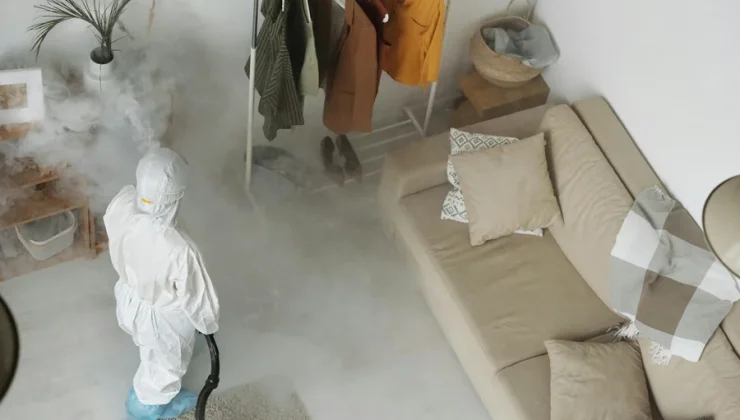
Few things are more frustrating than finding uninvited guests crawling or scurrying around your home. Pests like ants, cockroaches, and rodents have a way of appearing when you least expect them, transforming comfortable living spaces into stressful ones. Once they settle in, they can damage property, contaminate food, and even pose health risks.
Homes in Savannah often face a higher risk of pest infestations. The warm, humid climate allows insects and rodents to thrive throughout much of the year. Termites can slowly destroy wooden structures, ants can invade kitchens overnight, and mosquitoes can make evenings outdoors unpleasant. The combination of moisture and heat creates an environment where pests multiply rapidly, making preventive action essential before an infestation takes hold.
1. Understand What Attracts Pests to Your Home
Every pest enters a home for a reason. They are drawn to the same things that make your home comfortable for you: food, warmth, and shelter. Crumbs on the counter, dripping faucets, or even an overflowing trash can provide the perfect invitation.
Ants follow invisible scent trails to food sources, cockroaches love moisture and dark corners, and mice will gladly squeeze through tiny gaps in search of crumbs or nesting material. Even pet food left out overnight can become a buffet for pests. Remember, a little awareness goes a long way in preventing a minor nuisance from escalating into a full-blown infestation.
2. Partner with Local Professionals for Preventive Care
While home remedies and sprays can provide temporary relief, they rarely solve the problem completely. Pests often hide in areas you can’t see, inside walls, under floors, or in crawl spaces. Over time, small issues can grow into full-blown infestations that are costly to fix.
That’s where professional help comes in. Local pest control experts have the training and tools to identify early signs of infestation and apply targeted treatments that last. Regular inspections also help ensure pests stay out, even when the seasons change or new threats appear. If you’re searching for professionals that specialize in pest control Savannah has several local companies that offer reliable service and targeted treatments to help keep your home pest-free. A reliable provider will offer prompt response times, friendly technicians, and effective treatments that help keep homes pest-free in every season.
3. Seal Entry Points Before Pests Find Their Way In
Even the smallest openings can become doorways for pests. A mouse can slip through a gap the size of a dime, while ants can find their way through cracks you might barely notice. Take time to inspect your home’s exterior for gaps around doors, windows, pipes, and vents.
Caulking cracks, replacing worn weather stripping, and installing door sweeps are simple but powerful steps. It’s also smart to check your attic and basement for any unsealed holes or loose vents.
4. Keep Your Kitchen and Pantry Pest-Free
The kitchen is often where pest problems begin. It’s warm, full of food, and provides countless hiding spots. Keeping it clean and organised is key to avoiding infestations. Store all dry goods in airtight containers, wipe down counters daily, and clean under appliances where crumbs tend to collect.
Avoid leaving dirty dishes overnight and take out the trash regularly. Even small food spills or pet bowls can draw ants or roaches if left unattended. A consistent cleaning routine can make your kitchen one of the most pest-resistant spaces in your home.
5. Manage Moisture and Fix Leaks Promptly
Many pests thrive in damp conditions. Leaks and standing water attract insects like silverfish, mosquitoes, and termites. They can also create the perfect environment for mould, which attracts even more pests.
Inspect under sinks, around toilets, and near bathtubs for signs of leaks. Make sure gutters are clear and that water drains away from the foundation. In basements or laundry rooms, consider using a dehumidifier to control humidity levels.
6. Tidy Up the Yard and Maintain the Perimeter
A well-kept yard isn’t just about curb appeal; it’s a vital step in keeping pests from getting too close to your home. Overgrown grass, piles of leaves, and stacked firewood can all become hiding spots for insects and rodents. Once they settle there, it’s only a short trip indoors through gaps or vents.
Keep your lawn trimmed, remove weeds, and clear away debris on a regular basis. If you store firewood, keep it at least several feet away from your home and off the ground. Check the gutters and downspouts to ensure water is flowing freely and not collecting near the foundation. Standing water can attract mosquitoes, while damp mulch can harbour termites.
7. Be Vigilant About Seasonal Changes
Pest activity changes with the seasons, and so should your prevention strategy. Each time of year brings different challenges. During spring, ants and termites often become more active as temperatures rise. In summer, mosquitoes and flies are at their peak. Fall brings a wave of rodents and spiders seeking warmth, while winter drives many pests indoors in search of shelter.
Adjusting your pest control habits to match the seasons keeps you one step ahead. In spring and summer, pay attention to outdoor maintenance and yard care. In cooler months, focus on sealing entry points and storing food properly indoors to prevent spoilage. Regularly checking areas like basements, attics, and garages helps catch signs of infestation before they spread.
8. Use Safe, Sustainable Pest Control Practices
Modern pest control doesn’t have to rely on harsh chemicals. Safe and sustainable options are now widely available, making it easier to protect your home while caring for the environment.
Integrated Pest Management, or IPM, is an approach that focuses on long-term prevention through a combination of smart habits, monitoring, and targeted treatments. It prioritises using natural repellents and traps first, turning to chemicals only when necessary. Homeowners can support this approach by keeping living areas clean, storing food securely, and eliminating clutter that provides hiding spots.
A pest-free home doesn’t happen by chance. It’s the result of steady, thoughtful effort and awareness. From sealing cracks to managing moisture and maintaining your yard, every small step contributes to creating an environment that pests can’t easily invade.
The most effective pest control is proactive, not reactive. When homeowners understand what attracts pests and maintain consistent prevention, infestations become rare rather than routine. Professional assistance can also make a big difference, especially in regions where pest activity is high throughout the year.