
Top Six Stormwater Compliance Mistakes Experts Help You Solve
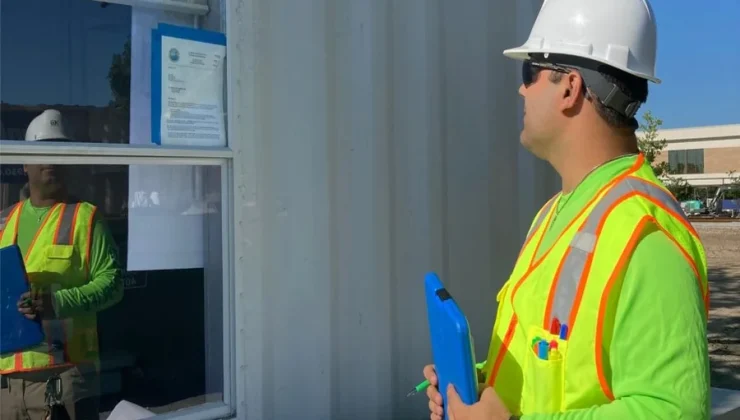
Automation in inspections brings better accuracy and helps reduce confusion during site checks and reports. Higher compliance levels ensure safer operations, cleaner records, and stronger confidence among project teams and inspectors. So, automation and proper guidance make it easier to meet complex rules without losing control. One should be aware of the common compliance mistakes that help prevent costly issues and missed inspection deadlines that cause stress.
Stormwater compliance solutions give structure, reduce manual work, and help projects stay compliant with fewer problems. These tools connect teams, store data safely, and keep every task visible and easy to manage. Environmental teams require clear systems that make compliance simple, reliable, and less time-consuming in busy schedules. This article explores key stormwater compliance mistakes and shares expert tips to fix them quickly.
1. Rely On Paper Logs And Manual Entries
Paper logs confuse and lose data when inspectors work across multiple locations, and deadlines overlap. Digital forms ensure consistent tracking, easier updates, and faster communication between field teams and office staff. Cloud systems reduce paperwork clutter, which also improves accuracy and visibility for ongoing inspection activities. Reliable software ensures clean reports and organized compliance data accessible anytime across different devices.
2. Miss Weather-Triggered Inspections Or Rain Events
Missed inspections after heavy rainfall create compliance risks and potential site violations under strict environmental rules. Automated rain alerts notify teams instantly to ensure quick responses and accurate documentation. Real-time weather integration helps plan inspections and reduces missed opportunities for timely action. Consistent alerts ensure proactive monitoring, which protects project reputation and maintains regulatory requirements without unnecessary delays.
3. Fail To Manage Corrective Actions And Follow-Ups
Neglected corrective actions lead to repeated issues, frustrated staff, and reduced trust during compliance reviews. A clear digital process allows task assignments, follow-ups, and confirmation when actions reach completion. Automated reminders reduce delays and maintain accountability, which ensures responsibilities are never overlooked. Transparent tracking simplifies collaboration, shortens correction cycles, and enhances project performance across all participating teams.
4. Scatter Documents, Permits, And Maps Across Locations
Disorganized files and lost permits create frustration and missed deadlines when compliance documentation remains scattered. A central hub simplifies storage, which offers controlled access for every user handling site information daily. Instant retrieval of permits, maps, and inspection records eliminates wasted time searching across multiple storage folders. Centralized management builds confidence, maintains accuracy, and strengthens readiness for external audits or internal assessments.
5. Lack Real-Time Visibility Into Site Status
Limited visibility across projects delays decisions and hides problems until they become costly to fix. Dashboards display inspection progress, overdue reports, and performance trends, which support faster and wiser decisions organization-wide. Data-driven visuals highlight weak points early, which allows targeted attention and better resource allocation during busy periods. Comprehensive oversight increases compliance efficiency, minimizes unexpected risks, and supports consistent reporting across all active sites.
6. Use One-Size-Fits-All Processes Across Different Sites
Every project varies, so generic inspection forms rarely capture site-specific conditions or compliance needs correctly. Customizable templates adapt to unique site types, which enables steady workflows that precisely match operational expectations. Adjustable permissions and configurations support collaboration, which also maintains control across industrial, municipal, and construction sectors. Tailored tools improve clarity, boost accountability, and foster efficiency while simplifying compliance for every participating team.
Wise management begins with the right tools that simplify tasks and create long-term compliance stability. Stormwater compliance solutions empower teams to stay consistent, reduce stress, and maintain control across operations. Practical systems transform complex compliance efforts into achievable goals through structure, teamwork, and clear communication paths. Explore advanced compliance solutions and experience confident control over environmental responsibilities that truly matter.