
Move Forward: A Clear Plan After Being Hit by an Intoxicated Driver
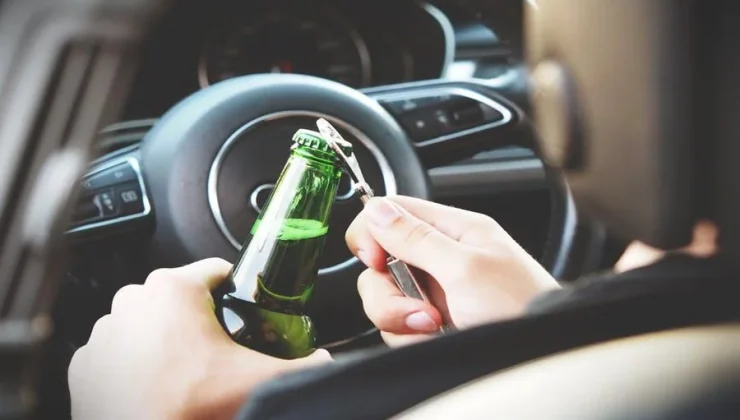
What happens when a careless choice shatters a calm drive in seconds? An accident caused by an intoxicated driver brings fear, confusion, and sudden pressure.
Victims often face pain, lost income, and complex legal decisions. Clear action taken early can protect health and future stability.
This guide explains proven steps that help restore order after chaos. By reading on, readers gain a steady plan to protect rights and move forward.
Ensure Immediate Safety and Care
Safety comes first after impact, even when shock masks serious harm. Moving to a safe place prevents further crashes and reduces added danger. Calling emergency services ensures trained help arrives without delay.
Medical checks are vital, since injuries may appear hours later. Paramedics document conditions, creating records that support future claims. Accepting care shows responsibility and concern for long-term health.
Remaining calm helps communication with police and medical workers. Clear answers improve reports that later shape insurance decisions. Early focus on safety builds a strong foundation for recovery.
Report the Accident Properly
A police report creates an official record of the crash. Officers note signs of intoxication, witness accounts, and road conditions. These details carry weight during insurance and legal reviews.
Always request a copy or report number before leaving. This document helps confirm fault when dealing with insurers. Accurate reporting prevents later disputes about what truly happened.
Avoid guessing details if unsure, and speak only to known facts. Honest statements protect credibility throughout the claims process. Proper reporting preserves the truth from the very beginning.
Document Evidence at the Scene
Damage to vehicles, skid marks, and traffic lights are all caught on camera. Images taken early on often show details that were later taken out. Claims are stronger with visual proof than with written descriptions alone.
Witness names and phone numbers give unbiased accounts of what happened. Views from a third party back up finding fault with a driver who is impaired. If you quickly gather contacts, you won’t lose them when people leave.
Personal notes about time, weather, and behavior help put things in context. Such information fades quickly, so writing it down early is important. When you carefully record things, you can’t change the stories later.
Seek Ongoing Medical Attention
Follow-up visits find injuries that were missed during emergency care. Damage to soft tissues and the brain often shows up slowly. Regular care helps injuries heal faster and shows how they’re getting worse.
Doctors keep records that show how the injuries are linked to the crash. You will need these records to show proof of damages to insurance companies or courts. Not going to appointments can hurt your recovery and your legal case.
Carefully follow your treatment plans, which may include therapy and medication. Being consistent shows that you want to heal and lessen the damage over time. Strong medical care backs up claims about health and money.
Understand Legal Rights Clearly
Victims of drunk driving crashes hold important legal protections. Laws allow recovery for medical costs, wages, and suffering. Knowing rights prevents acceptance of unfair early offers.
Deadlines apply to claims, so prompt action is essential. Missing limits may block compensation regardless of fault. A clear understanding helps plan what to do next when injured by drunk driver.
Local laws differ, making tailored advice especially valuable. Legal guidance explains options in simple and practical terms. Informed choices reduce stress during an already difficult time.
Handle Insurance Companies Carefully
Even after someone drives drunk, insurance adjusters try to limit how much they pay out. Claimants may be punished for making statements too soon. A claim’s value is kept safe by clear communication.
Never agree to a settlement before you know what will happen to your health. Early offers rarely cover future care or the loss of the ability to work. Most of the time, waiting leads to more fair and complete compensation.
Make sure you keep copies of all of your claim forms, letters, and emails. Well-organized records make things clearer and move things along faster. A cautious approach helps you stay in charge during negotiations.
Consider Professional Legal Support
Lawyers who have dealt with cases involving drunk driving know how to handle common situations. They keep track of paperwork, meet deadlines, and talk to insurance companies. With this help, victims can focus on getting better.
Lawyers look at damages that go beyond just paying bills. Care in the future, lost work, and pain are all given the right amount of value. A thorough evaluation makes the case for settlement or trial stronger.
Most cases are settled without going to court, but preparation is important. Strong representation lets the other side know that you are serious. Getting professional help often makes things better in the long run.
Address Emotional and Financial Recovery
When drunk drivers cause accidents, they leave emotional scars. It’s normal and understandable to feel anxious, angry, or scared. Recognizing these feelings helps with a healthier long-term recovery.
You can rebuild your confidence with the help of counseling or support groups. For full healing, mental health care is needed along with physical care. Ignoring emotional harm can slow down progress as a whole.
Missed work and extra costs often lead to financial stress. Planning and reviewing budgets can help reduce stress while you’re recovering. Compensation claims are meant to restore balance after a disruption.
Plan for Life After the Crash
Setting attainable goals for work and health is an important part of recovery. Setbacks and frustration can be avoided by slowly getting back to normal routines. Patience helps things move along slowly over time.
When you fix or replace a car, it should meet safety standards. Being able to depend on transportation restores independence and stability in daily life. Careful decisions now lower the chance of problems in the future.
Lessons learned make people more careful and aware while driving. When the effects of drunk driving are dealt with, communities benefit. All of us can be safe and responsible as we move forward.
Essential Steps To Protect Your Rights During a Dui Accident
Driving drunk is dangerous, but clear steps can get things back under control. Futures are protected by safety, medical care, documentation, and knowing the law.
On every level, recovery is better with good insurance and support services. With time and knowledge, victims get their health, money, and confidence back.
Making plans that don’t change over time shows that you care about others and are accountable. According to traditional knowledge, many families can get through hard times if they work hard and are honest.
Did you like this guide? Great! Please browse our website for more!