
When Should You Seek Professional Help For Pelvic Floor Dysfunction Symptoms?
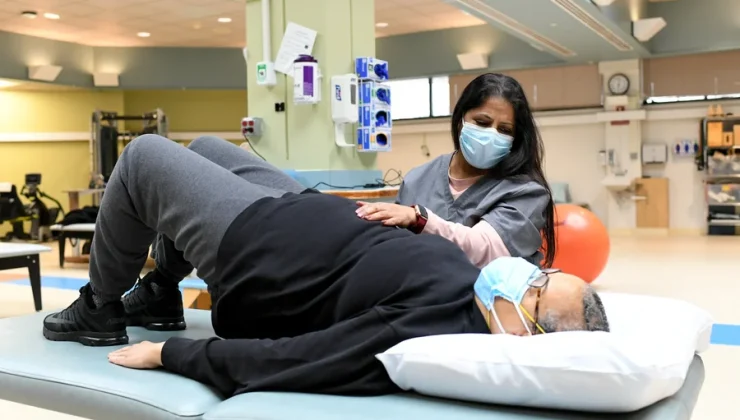
Recognizing the appropriate timing for professional intervention can prevent pelvic floor dysfunction from progressing to more severe stages that require extensive treatment. Many individuals delay seeking help due to embarrassment, lack of awareness, or misconceptions about available treatment options. Pelvic Floor Physical Therapy in Pasadena provides specialized care for symptoms that persist beyond normal healing timeframes or interfere with daily functioning and quality of life. Early intervention produces better outcomes than waiting for symptoms to worsen or become chronic. A professional evaluation is recommended when self-management strategies fail or symptoms affect work, relationships, or emotional well-being.
Persistent symptom duration
Symptoms lasting longer than six weeks warrant professional evaluation, particularly when they fail to improve with basic self-care measures like dietary modifications, hydration changes, or over-the-counter treatments.
- Chronic symptoms often indicate underlying muscle dysfunction, coordination problems, or structural issues that require specialized assessment and targeted intervention approaches.
- Acute symptoms following childbirth, surgery, or injury should receive attention when they persist beyond expected healing timeframes. Regular recovery periods vary based on individual circumstances, but ongoing problems after initial healing phases typically benefit from professional guidance to prevent long-term complications.
Warning sign recognition
Specific symptoms indicate an urgent need for professional evaluation due to their potential impact on health and safety. See a medical professional if you experience blood in urine or stool, or severe pain that interferes with sleep or daily activities. Progressive worsening of symptoms over time suggests that conservative self-management approaches are insufficient and professional intervention is necessary. Warning signs include:
- Increasing pain intensity – Symptoms that become more severe despite rest and basic care measures
- Expanding symptom areas – Problems that spread to affect additional body regions or functions
- New symptom development – Additional problems that appear alongside existing dysfunction
- Functional decline – Decreasing ability to perform work, exercise, or daily living activities
These patterns indicate that underlying problems require professional assessment and targeted treatment approaches.
Quality of life impact
Professional help becomes necessary when pelvic floor symptoms affect emotional well-being, relationships, or social activities. Avoiding social situations, limiting physical activities, or experiencing anxiety about symptom unpredictability indicates that dysfunction has progressed beyond minor inconvenience to life-disrupting levels. Sexual function difficulties, sleep disruption from nighttime symptoms, and work performance problems due to pain or dysfunction warrant professional evaluation. These impacts often create secondary stress that compounds physical symptoms, making early intervention crucial for preventing escalation cycles.
Emergency consultation needs
Immediate professional attention is required for the sudden onset of severe symptoms, particularly when accompanied by fever, intense pain, or complete loss of function. These presentations may indicate severe medical conditions requiring urgent evaluation and treatment. Recent surgery, injury, or infection that leads to new pelvic floor symptoms should receive prompt attention to prevent complications and optimize healing outcomes. Early intervention during acute phases often prevents progression to chronic dysfunction patterns that prove more difficult to treat effectively. When symptoms persist or impact daily life, consulting qualified specialists provides the best opportunity for successful rehabilitation and restored function.