
Traditions Meet Trends: How the World’s Celebrations Are Getting a Modern Twist

Across the world, rituals and celebrations that once felt fixed and familiar are being remixed. A town’s annual bonfire, a religious fast, a family gathering, each one is now meeting at a crossroads of heritage and innovation. That doesn’t mean the meaning gets lost. Rather, what’s old and what’s new are finding ways to collaborate.
In India’s Maha Kumbh Mela earlier this year, authorities used facial-recognition cameras, underwater drones and an AI-crowd-monitoring system to manage more than 400 million visitors safely and smoothly. It’s surprising to see a centuries-old religious festival literally go “digital”. Yet the core remains: a deep sense of community, devotion and tradition. What changed is the tool-belt.
Digital Bridges, Not Digital Replacements
Live-streamed iftars, smartphone apps for giving to charity, virtual tours of ritual sites: these are not isolated gimmicks; they’ve become extensions of how people connect. For example, recent reports note that hybrid festival models (physical plus digital attendance) are now mainstream – attendees pick how to participate.
With that comes a subtle shift: celebration is less about “being there” in a single place, and more about “belonging” in whatever form works. Families unable to travel join via livestream. A friend overseas shares a screen at midnight. The ritual stays intact, but the location becomes flexible.
Mindful Celebrations in a Speed-Up World
Modern life moves fast. Calendars are crowded. In this pace, people are quietly choosing depth over display. One survey of festival planners found that more than half of attendees are now motivated by eco-friendly efforts at celebrations.
From biodegradable décor and reusable plates to local-artisan shopping instead of imported goods, the trend reflects a return to intention. The heart of a celebration becomes less about spectacle and more about what it stands for: community, gratitude, service. When a season of reflection arrives, such as the upcoming Ramadan, these values feel even more central.
Global Flows, Local Roots
Wandering through a city, one might now see Diwali lights next to lanterns for another tradition, or taste foods that mix regional recipes with global flavours. Social media and travel have blurred boundaries. Young people follow rituals half a world away, adopt them, adapt them. But that doesn’t mean culture vanishes – it evolves.
At the same time, traditional rituals are finding new life in digital spaces. Technology here isn’t replacing the ceremony; it’s amplifying participation and access.
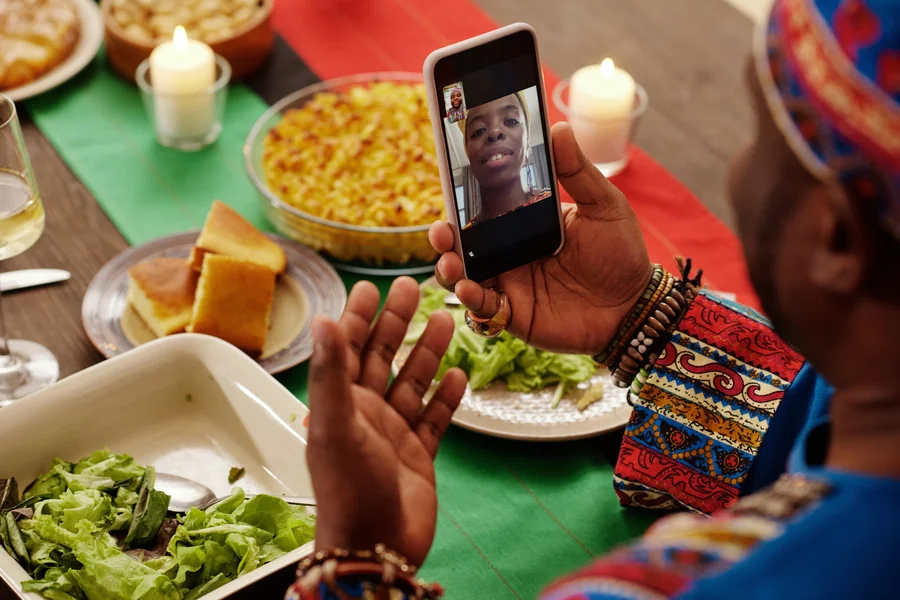
When Tradition and Trend Walk Hand in Hand
Blending tradition and trend is not about erasing the past. It’s about letting heritage speak in new ways. A mobile donation platform for a religious festival might be modern, but the act of giving is ancient. A virtual reality tour of a sacred site might feel futuristic, but the wonder remains as old as human curiosity.
As communities worldwide begin preparing for events like the upcoming Ramadhan 2026, the balance becomes clearer: tools change, but meaning stays. Rituals that once required presence now require attention – attention to purpose, attention to connection. Modern gear supports timeless intent.
So Why Does It Matter?
Because when celebrations stay relevant, they stay alive. When traditions adapt instead of vanish, culture thrives. And that matters in a world where global rhythms often override local ones.
Whether gathering in a courtyard or joining across a screen, the essence remains: people come together. They pause. They reflect. They connect. They celebrate. The method may shift – livestream instead of campfire, e-wallet instead of coin – but the reason doesn’t.
And that’s the point: traditions are not locked in stone. They’re living, breathing acts of meaning. When they meet trends thoughtfully, the result isn’t confusion – it’s renewal.