
Kindness Trends That Took Over the Internet
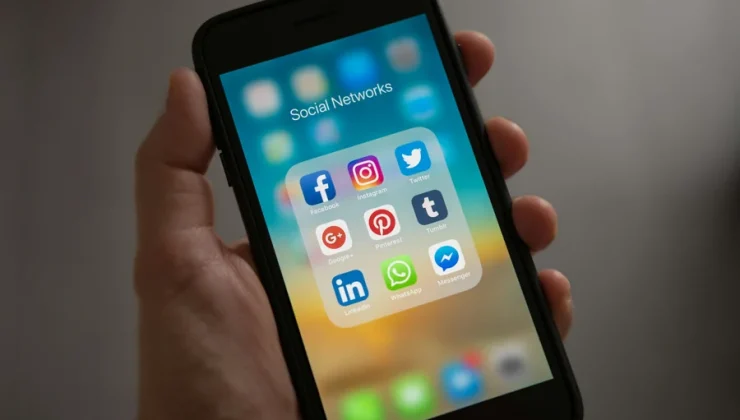
In an era of swipe-culture and viral videos, something quietly powerful has been building online: real generosity. While comedic content, tech pranks and celebrity antics dominate headlines, another kind of trend has gone viral – acts of kindness that are shareable, scalable and deeply human.
From Memes to Meaningful Movements
Scrolling through social feeds in recent years shows more than just dance challenges or lip-sync clips. Hashtags like #BeKind and viral campaigns such as TeamTrees have transformed social media into a place where doing good is cool. TeamTrees, for example, invited people worldwide to pledge a tree for every dollar donated, and the result was tens of millions of trees planted. That shows how a simple idea plus a sharable call-to-action can rally a global audience.
These gestures tap into something that resonates deeply: people want to connect, to contribute, to feel that their little click or share can matter. According to recent nonprofit data, online giving revenue rose 2.2% in 2024 after stagnating for years.
Micro-Giving and Mobile Momentum
A major shift is how small acts of generosity are now happening through mobile devices. Donations of modest amounts, posted in real time, using QR codes or mobile apps – these add up. For example, mobile donations reportedly increased by around 61% according to third sectors over the past year.
This tells a story: people don’t need to be super-rich or famous to make a difference online — even a modest monthly commitment can ripple into something larger.
When Humour Meets Compassion
Another trend: mixing entertainment with empathy. Comedians, meme-creators and influencers are now weaving in charitable elements into their routines. A light-hearted challenge, a funny clip, becomes an opportunity to raise awareness or funds. That blend of fun plus purpose works: it engages, it invites participation, it sidesteps the preachy tone and simply makes doing good feel good.

Younger Donors Leading The Way
The next wave of generosity is being led by younger generations. Gen Z and Millennials are not just spectators, they’re creators of these kindness-waves. Reports show that Gen Z gives more often to social and environmental causes than older cohorts.
Their comfort with digital tools, comfort with sharing causes online, and desire to align giving with daily habits make them a force in this space.
Traditional Giving, Modern Format
Even long-standing generosity traditions are being reshaped for a digital world. Religious and faith-based giving, once tied to community centres or local events, now often features online components, livestreams and global participation. One example of this evolution is the concept of a Ramadan donation – where people across geographies connect through an annual tradition of giving, yet the tools and channels are undeniably modern.
Why This Matters for All of Us?
The bigger message here: kindness is trending because it’s inclusive, shareable and fulfils a deeper need. In a world where attention is fragmented, these movements remind us that giving doesn’t require waiting for gala dinners or large budgets. A share, a small gift, a public commitment – all become seeds of impact.
This means every like, share, challenge or donation post isn’t just online fluff – it might be part of a larger wave of digital compassion. Whether it’s a viral giving challenge, a mobile-app contribution or a post for a global cause, the digital age has made kindness far more accessible to many.
As the data shows, giving is growing again. In the U.S., charitable donations hit around $592.5 billion in 2024, a 6.3% increase in current dollars, marking the first time in years that donations outpaced inflation. It’s proof: people still care, and they are finding new ways to act on it.