
Major Cause of Bed Bugs in Assisted Living Explained
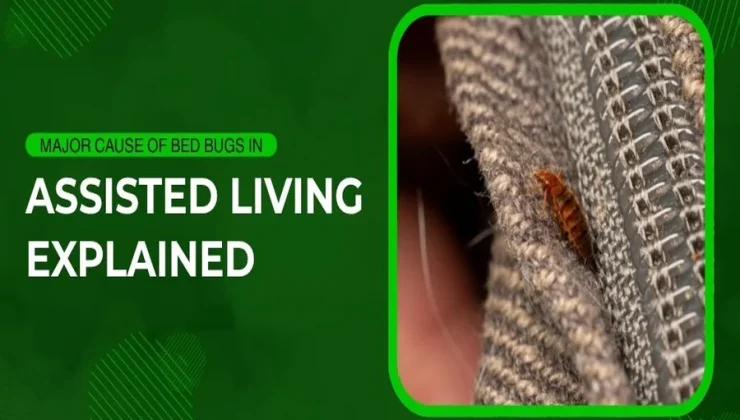
Have you ever wondered why bed bugs spread so quickly in senior care facilities? Shared spaces, frequent visitors, and constant movement provide them with the perfect opportunity to thrive. When families and facility managers understand the leading cause of bed bugs, they can take direct steps to protect residents and maintain a comfortable environment.
Read on to discover how awareness fosters stronger prevention and lasting peace of mind.
Resident Mobility and Visitors
In care facilities, the movement of people often becomes a common cause of bed bugs. Daily activities and visits create opportunities for pests to spread unnoticed. The following factors increase the risk:
- Family visits: Guests may unintentionally carry bed bugs on clothing, bags, or personal items.
- Medical staff: Providers moving between rooms can transfer pests without being aware of it.
- Resident movement: Routine transfers for meals, activities, or treatments can facilitate the spread of bed bugs.
Additionally, even small relocations can have a significant impact on spreading the infestation further, such as:
- Room changes: Moving residents between rooms may transfer pests hidden in bedding or furniture.
- Unit transfers: Shifting residents across wings or floors can introduce bed bugs to new areas, potentially spreading the infestation to other places.
Second-Hand Items and Deliveries
Bringing used items or outside materials into living spaces often increases the risk of infestation and can be a hidden cause of bed bugs if not carefully inspected. The following examples illustrate how pests enter:
- Donated furniture: Beds, sofas, and chairs may conceal bed bugs inside seams, cushions, or frames.
- Shared equipment: Items such as wheelchairs, carts, or medical devices can transfer pests between locations.
- Package deliveries: Cardboard boxes or stored materials may carry pests from infested warehouses or trucks.
Moreover, neglecting basic checks allows infestations to establish themselves quickly. These are common oversights:
- Uninspected donations: Accepting second-hand items without review provides a direct entry point for potential issues.
- Unscreened deliveries: Bringing packages directly into rooms spreads pests without warning.
Inadequate Monitoring and Response
Delayed action and weak policies often worsen the cause of bed bugs. Skipping inspections or keeping pest control minimal allows infestations to spread undetected. The following issues frequently contribute to the problem:
- Delayed inspections: Postponing checks allows bed bug activity to spread undetected.
- Minimal pest control measures: Limited efforts address surface issues but leave hidden colonies untreated.
- Lack of follow-up: Without consistent monitoring, recurring outbreaks are more likely to occur.
Moreover, prevention depends on continuous attention and awareness. Consider the following steps to support early detection and stronger control:
- Implement ongoing monitoring: Regular inspections reveal problems before they escalate, allowing for timely resolution.
- Provide staff education: Training ensures employees recognize and report warning signs quickly.
- Set clear response policies: Documented procedures guide consistent and timely action.
Building Layout and Shared Facilities
Building design and shared spaces often influence the rate at which infestations spread. Hence, connected rooms and common areas can become a significant cause of bed bugs in multi-resident properties. The following locations increase the risk:
- Connected rooms: Bed bugs move through wall voids, outlets, and piping that link units together.
- Communal lounges: Shared furniture provides hiding spots and allows pests to transfer between residents.
- Shared laundry facilities: Washing and drying clothes in the same machines can spread bed bugs from one load to another.
- Hallways and corridors: Frequent movement of residents and staff makes it easy for pests to travel between units.
- Storage areas: Shared closets or supply rooms create spaces where bed bugs can remain unnoticed and spread to multiple users.
These common areas can become a significant cause of bed bugs in multi-resident properties. However, maintenance and building design help reduce infestations in the following ways:
- Regular maintenance: Sealing cracks, fixing walls, and inspecting shared areas block common entry points.
- Improved design choices: Selecting layouts and materials that minimize hiding places reduces the likelihood of spread.
- Routine monitoring: Conducting scheduled inspections in high-traffic areas enables early detection of infestations before they spread.
- Proper furniture selection: Using non-upholstered or easy-to-clean furniture in communal spaces reduces hiding opportunities.
Keep Comfort, Block the Bugs!
Conclusively, the cause of bed bugs in assisted living is not just one factor. It comes from resident mobility, frequent visitors, and how facilities manage their spaces. When managers focus on prevention, schedule regular inspections, and rely on professional care, the risks drop significantly. To keep residents safe and comfortable, work with a trusted team that understands the cause of bed bugs in assisted living facilities and knows how to prevent them from disrupting daily life.