Alcohol and Driving: Avoiding Risky Choices
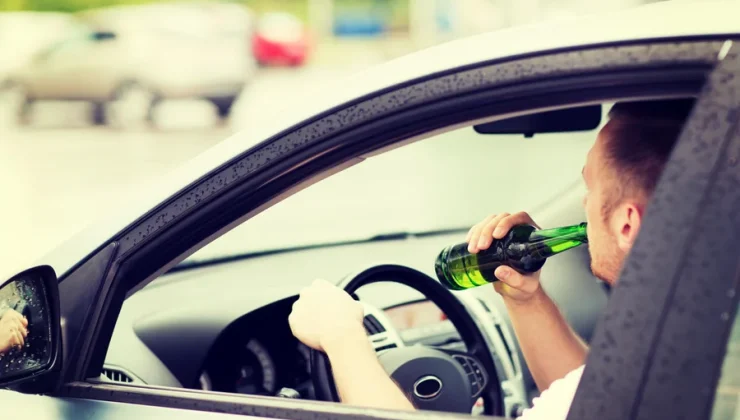
Alcohol and driving do not mix. Even small amounts of alcohol can slow your thinking, reduce your focus, and affect how fast you react.
Many drivers believe they are “okay to drive” after a drink or two, but the truth is that impairment can begin sooner than expected. Poor choices behind the wheel can lead to serious crashes, injuries, legal trouble, and long-term harm to families and communities.
This article explains why alcohol affects driving, the risks involved, and simple ways to avoid dangerous decisions.
How Alcohol Affects Driving Ability
Alcohol changes how your brain and body work. It slows reaction time, which means you take longer to brake or steer away from danger. It also affects vision, making it harder to judge distance and notice hazards.
Alcohol lowers coordination, so tasks like staying in your lane or making a smooth turn become harder. Judgment is also reduced. This can cause risky choices, such as speeding, following too closely, or ignoring traffic signs.
Common Risky Choices Drivers Make
Many alcohol-related crashes happen because of poor decisions made before and during driving. One common mistake is believing that coffee, water, or fresh air can “sober you up.” Time is the only thing that reduces alcohol effects.
Another risky choice is driving short distances. Some people think driving a few blocks is safe, but most crashes happen close to home. Driving at night or on weekends also increases risk, as roads are busier with impaired drivers.
Legal Consequences of Drinking and Driving
Driving under the influence can lead to serious legal trouble. Penalties may include fines, license suspension, higher insurance costs, and even jail time. A DUI charge can also affect your job, travel plans, and future opportunities.
If someone is injured or killed, the consequences are much more severe. In these situations, speaking with an experienced DUI attorney can help drivers understand their rights, the legal process, and the steps they need to take. Legal help does not erase mistakes, but it can provide guidance during a difficult time.
Simple Ways to Avoid Risky Choices
The best way to stay safe is to plan. Decide how you will get home before you start drinking. This removes pressure to make choices when judgment is impaired.
Here are simple and effective options:
- Use a rideshare or taxi service
- Ask a sober friend to drive
- Use public transportation
- Stay overnight if possible
- Choose not to drink at all when driving
Hosting a gathering? Offer non-alcoholic drinks and help guests arrange safe rides home. Small actions can prevent big problems.
Warning Signs You Should Not Drive
It is important to recognize when driving is unsafe. If you feel dizzy, tired, or overly confident, do not drive. Slurred speech, trouble focusing, or slow reactions are clear signs of impairment.
If you are unsure, assume you should not drive. It is always safer to wait or find another way home than to risk your life and the lives of others.
Choose Safety Every Time
Alcohol and driving are a dangerous mix, but it is also preventable. Understanding how alcohol affects your body, recognizing risky choices, and planning can save lives.
If you or someone you know is facing legal issues related to impaired driving, seeking professional guidance can help clarify next steps. Make safety the priority every time you go out. Plan, protect yourself, and help keep the roads safe for everyone.
Found this article useful? Browse around the rest of this section to make sure you catch the latest news.