Outdoor Improvements That Pay Off Over Time
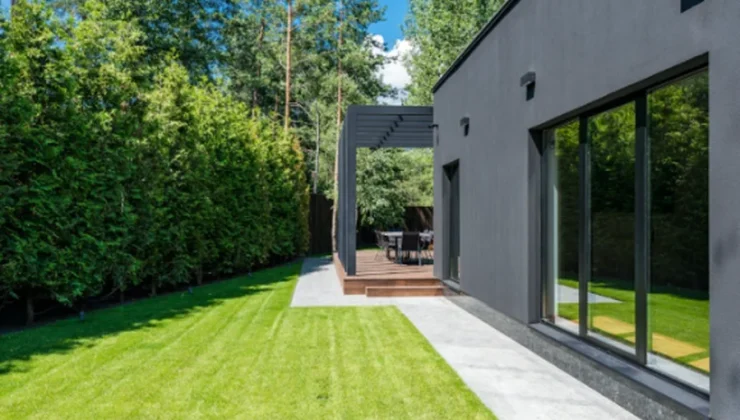
Many homeowners invest in outdoor upgrades with high hopes, only to realize a year later that the space still sits unused. Furniture fades, heat limits comfort, and weather damage adds unexpected repair costs. The real issue often isn’t the budget but the type of improvements chosen. Outdoor projects deliver value only when they support daily living, hold up over time, and reduce ongoing effort.
When upgrades focus on comfort, protection, and durability, they start functioning as true extensions of the home.
Looking Beyond First Impressions
First impressions fade quickly if an outdoor space feels uncomfortable or hard to maintain. A fresh coat of paint or trendy décor may look great for a season, yet long-term value comes from choices that keep performing year after year. Materials that hold up to sun and rain, designs that don’t require constant upkeep, and layouts that support real use matter more than surface-level style. When an improvement still works well after several summers, it earns its place.
Spaces You Actually Want to Use
Many patios fail not because they look bad, but because they feel impractical. Too much sun, poor airflow, or lack of protection turns outdoor areas into short-term hangouts rather than everyday spaces. Improvements that support comfort encourage regular use, whether that means morning coffee, family dinners, or quiet evenings outside. When an outdoor area feels inviting without extra effort, it naturally becomes part of daily routines instead of an occasional option.
Weather Protection That Extends Use
Rain, wind, and insects often limit how long a patio stays functional throughout the year. Temporary solutions rarely solve the problem fully, and they often require frequent setup and removal. Permanent protection allows homeowners to enjoy their outdoor areas during more months of the year without added effort. Fixed patio enclosures provide one example of how long-term weather protection can turn a patio into a usable space instead of a fair-weather feature, offering shelter without the need for daily adjustments.
Shade That Protects More Than People
Direct sunlight doesn’t just affect comfort; it also wears down outdoor surfaces and nearby interiors. Prolonged exposure fades furniture, cracks finishes, and raises indoor temperatures near windows and doors. Adding reliable shade helps protect these areas and extends the life of outdoor investments. More importantly, shade allows people to enjoy outdoor spaces during warmer parts of the day without constant adjustments or temporary fixes.
Choosing Materials That Reduce Upkeep
Outdoor materials face harsher conditions than most indoor finishes, which makes durability essential. Wood that needs frequent sealing, fabrics that fade quickly, and hardware prone to rust can become ongoing expenses. Choosing weather-resistant materials lowers maintenance demands and reduces replacement costs over time. When surfaces stay intact and finishes hold their appearance, homeowners spend less time fixing problems and more time enjoying the space.
Outdoor Features That Support Energy Comfort
Some outdoor improvements do more than enhance appearance. They also affect how heat and airflow move around a home. Thoughtful shading, covered areas, and protected openings can reduce how much direct sunlight reaches exterior walls and windows. This can ease indoor temperature swings, especially during warmer months. While outdoor upgrades should never replace proper insulation or HVAC systems, they can support overall comfort by reducing heat buildup in commonly exposed areas of the home.
Privacy Improvements That Change How Spaces Feel
Privacy plays a bigger role in outdoor enjoyment than many homeowners expect. A space may look great but still feel uncomfortable if it sits fully exposed to neighbors or nearby streets. Adding privacy features can turn an unused patio into a place where people actually relax. The best solutions allow airflow and light while limiting unwanted views. When privacy feels balanced rather than closed off, outdoor areas become more inviting and easier to use throughout the day.
Permanent Features That Hold Their Value
Temporary outdoor setups often need regular replacement, whether due to wear, fading, or changing weather. Permanent improvements tend to perform better over time because they are built to stay in place. Fixed features often look more intentional and age more gracefully than add-on solutions. They also reduce the need for seasonal setup and storage. When outdoor upgrades feel like part of the home instead of accessories, they tend to deliver stronger long-term value.
What Future Buyers Notice First
Buyers often pay close attention to outdoor spaces during home tours, especially when those areas appear functional and well cared for. A clean, protected patio signals usability and thoughtful upkeep. Buyers may not focus on decorative trends, but they notice whether a space feels comfortable, sheltered, and easy to maintain. Improvements that support everyday use often leave a stronger impression than features designed mainly for visual appeal.
Choosing Upgrades That Match Daily Life
The most successful outdoor improvements reflect how people actually live. A household that enjoys quiet evenings outside may prioritize comfort and shade, while a family that hosts often may value protection and space. Trend-based upgrades can look appealing but may not hold up if they don’t support real habits. When improvements align with daily routines, they stay relevant longer and feel worth the investment.
Maintenance Needs That Stay Manageable Over Time
Outdoor upgrades should not create extra work that homeowners need to keep up with year after year. Features that require frequent cleaning, repairs, or seasonal adjustments often lose their appeal quickly. Choosing solutions designed for long-term exposure helps avoid that problem. Durable finishes, weather-resistant hardware, and fixed installations tend to hold up better with minimal attention. When maintenance stays simple, outdoor spaces remain enjoyable instead of becoming another task on the to-do list.
Outdoor improvements pay off over time when they focus on function, comfort, and durability rather than quick visual impact. Spaces that stay cool, feel private, and require little upkeep tend to get used more often and hold their value longer. Instead of chasing trends, homeowners benefit from choosing upgrades that support how they live today and how they plan to use their homes in the future. Thoughtful outdoor improvements don’t just enhance a property. They improve everyday life.