Types of Reinforcers in Dog Training
The Power of Food as a Primary Reward
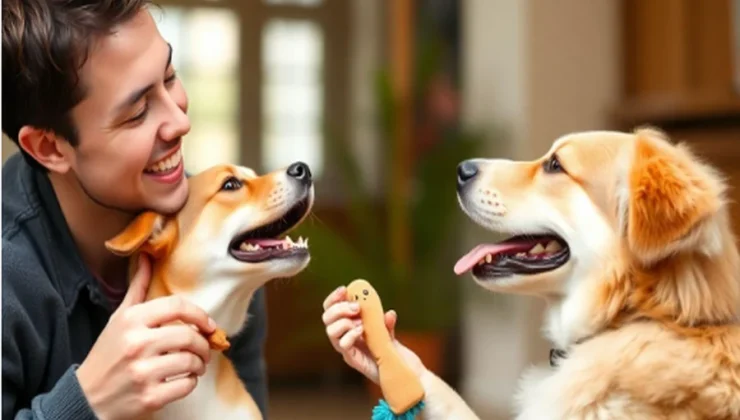
For many dogs, food is the ultimate motivator. It taps into a dog’s most basic needs, making it incredibly effective for teaching new behaviors or reinforcing desired actions. Think of it as a direct line to their attention. When a dog is hungry or enjoys treats, offering a small, tasty morsel can make them eager to please. This is especially true when introducing complex commands or working in distracting environments. The immediate gratification of a food reward helps solidify the connection between the action and the positive outcome. Using food as a primary reinforcer is a cornerstone of many successful training programs. According to Leo Trains Dogs, incorporating positive reinforcement techniques like food rewards can significantly improve a dog’s learning experience, helping both pets and owners build stronger communication and trust.
It’s important to use food wisely. High-value treats, like small pieces of chicken or cheese, are best for challenging tasks. For simpler behaviors or maintenance, regular kibble can work just fine. This variety keeps things interesting and prevents your dog from becoming desensitized to a single type of reward. The key is to make the reward feel special and worth working for. The effectiveness of food as a primary reinforcer is undeniable.
Consider the timing. A treat delivered the moment your dog performs the correct action is far more impactful than one given a few seconds later. This precise timing helps your dog understand exactly what they are being rewarded for. It’s a simple concept, but it makes a huge difference in how quickly and accurately a dog learns. Food is a powerful tool in the trainer’s arsenal.
Beyond Food: Other Innate Desires
While food is a top contender, dogs also have other innate desires that can serve as powerful primary reinforcers. These are things that satisfy their natural instincts and physical needs. Think about what makes your dog light up – it might be a good scratch behind the ears, a vigorous belly rub, or even a refreshing drink of water after a long training session. These are not learned behaviors; they are things dogs inherently find pleasurable or necessary.
Physical affection, when offered in a way your dog enjoys, can be a fantastic reward. Some dogs crave gentle petting, while others prefer a good ear scratch. Paying attention to your dog’s body language – a relaxed posture, a soft gaze, a wagging tail – will tell you what they find most rewarding. Water can also be a primary reinforcer, especially on warm days or after strenuous activity. It directly addresses a physical need and can be very motivating.
These innate desires tap into a dog’s core drives. By understanding and utilizing them, trainers can build a strong foundation of trust and cooperation. It’s about meeting your dog on their level and rewarding them with something they genuinely appreciate. These primary reinforcers are the building blocks of a positive training relationship.
When Primary Reinforcers Are Most Effective
Primary reinforcers, like food and affection, are most effective when a dog is truly motivated by them. This often happens when a dog is learning something new, facing a challenging situation, or when their basic needs aren’t fully met. For instance, a hungry dog will likely be more responsive to food rewards than one who has just eaten a large meal. Similarly, a dog who is feeling a bit anxious might find comfort and motivation in gentle petting.
These powerful motivators are particularly useful during the initial stages of training. When introducing a new cue or behavior, a high-value primary reinforcer can quickly capture your dog’s attention and encourage them to try. It helps create a strong positive association with the training process itself. This initial success builds confidence for both dog and handler.
However, it’s also important to recognize when primary reinforcers might be less effective. If a dog is overly excited, stressed, or distracted by their environment, even the best treat might not cut through the noise. In such cases, a trainer might need to manage the environment first or switch to a different type of reinforcer that is more appropriate for the current circumstances. Understanding the context is key to using primary reinforcers successfully.
Leveraging Secondary Reinforcers for Behavior Modification
The Role of Verbal Praise and Affection
Sometimes, a simple “good dog!” or a gentle scratch behind the ears can work wonders. These aren’t things your dog is born wanting, but they become powerful motivators when paired with something they already like. Think of it like this: the praise itself doesn’t mean much at first, but after a few times, it signals that something good is coming. This is how secondary reinforcers start to build value. Consistent pairing is the key to making these work.
It’s not just about saying the words; it’s about the tone and the feeling behind them. A happy, enthusiastic voice makes a big difference. Affection, like petting or a belly rub, also falls into this category. Not all dogs respond the same way to touch, so pay attention to what your dog enjoys. Using verbal praise and affection as secondary reinforcers can be a great way to build a stronger connection.
When you’re first teaching a new trick, you might use a high-value treat. Once the dog understands the behavior, you can start phasing in verbal praise and affection. The goal is to have the dog perform the behavior for the praise or affection alone. This takes time and repetition, but it’s a very rewarding part of the training process. Remember, the effectiveness of these secondary reinforcers depends on how well they’ve been associated with primary rewards.
Clickers and Toys as Conditioned Rewards
A clicker is a classic example of a conditioned reinforcer. That little click sound, when consistently followed by a treat, becomes a marker for a job well done. It’s a precise way to tell your dog exactly when they did the right thing. This clicker training method is popular because it’s so clear for the dog.
Toys can also become powerful secondary reinforcers. A quick game of tug or fetch after a successful command can be incredibly motivating for many dogs. This works best if the dog already loves playing with that specific toy. The toy itself isn’t the reward initially; it’s the fun game that follows. This association makes the toy a desirable outcome.
Here’s a quick look at how these work:
- Clicker: Sound signals correct behavior, followed by a treat.
- Toy: Used for a brief play session after a command.
- Verbal Praise: Enthusiastic words paired with positive attention.
These tools help bridge the gap between a behavior and its ultimate reward, making training more efficient and engaging for your dog. They are excellent for reinforcing behaviors that might be harder to reward immediately with food, like a long-distance recall.
Pairing Secondary with Primary Reinforcers
This is where the magic really happens. You can’t just expect a clicker or a “good boy!” to mean much on its own. It needs to be linked to something the dog already values, like food or a favorite toy. This process is called pairing. You pair the secondary reinforcer with the primary one, over and over.
For instance, when you give your dog a treat for sitting, you can also say “yes!” in a happy voice. Or, after the dog gets a treat, you immediately click the clicker. The idea is to build a strong association. The more consistently you pair them, the more powerful the secondary reinforcer becomes.
The effectiveness of secondary reinforcers is directly tied to the strength of their association with primary rewards. Without this connection, they are just sounds or actions with little meaning to the dog.
Eventually, you’ll find that your dog responds to the praise, the click, or the sight of the toy because they anticipate the primary reward that usually follows. This allows you to use these secondary reinforcers more often, as you don’t always need to have treats on hand. It’s a smart way to keep training flexible and responsive to your dog’s needs in different situations.
Exploring Environmental and Activity-Based Reinforcers
Opportunities in the Dog’s Surroundings
Dogs live in a world full of potential rewards. Think about the simple act of opening a door. For many dogs, this means a walk outside. Asking for a basic command, like a ‘sit,’ before opening that door turns a routine event into a training moment. This uses the environment itself as a reinforcer. It’s about giving access to something the dog wants, but only after they perform a desired action. This approach makes everyday life a continuous training opportunity.
Consider the excitement a dog feels when they see another dog. Instead of letting them rush forward uncontrollably, you can use this as a training chance. Reward calm behavior, like a polite ‘wait,’ by allowing a controlled greeting. This teaches impulse control while using the social interaction as the reward. It shows that good manners lead to good things, making the environment a partner in training.
Even seemingly small things in the environment can be reinforcing. If your dog loves sniffing a particular bush, you can ask for a ‘touch’ command before letting them explore it. This makes the environment a dynamic training space. It’s not just about treats; it’s about recognizing what your dog naturally wants to do and using that desire to build good habits. Environmental reinforcers are everywhere if you look.
The Nuances of Individual Dog Motivation
Recognizing Your Dog’s Unique Preferences
Every dog is an individual. What makes one dog jump for joy might barely get a tail wag from another. It’s not about a one-size-fits-all approach to training. You have to look at the dog right in front of you. Some dogs go wild for a bit of cheese, while others are completely indifferent. But then, offer that same dog a squeaky toy, and suddenly, they’re all ears and energy. This is where understanding your dog’s unique preferences comes into play. It’s about observation and figuring out what truly motivates your specific dog.
Think about it: a dog that’s stressed in a new place might not be interested in treats, but might lean into a gentle scratch. The same dog, in a familiar park, might be all about chasing a ball. The environment, the handler, and the dog’s current emotional state all play a part. Paying attention to these subtle cues is key to effective training. It’s not just about what you think your dog likes, but what they actually respond to in different situations. This is the core of understanding individual dog motivation.
It’s like trying to pick a gift for a friend. You wouldn’t get them something you like; you’d get them something they like. The same applies to our canine companions. What one dog finds rewarding, another might not. This is why we need to be detectives, observing our dogs closely to discover their personal motivators. This careful observation helps us tailor our training, making it more effective and enjoyable for both dog and owner. It’s a continuous learning process, really.
Adapting Reinforcers to the Moment
What your dog loves today might not be their top pick tomorrow. Motivation isn’t static; it shifts. A dog might be super excited about food during a training session, but later, when they’re tired or anxious, that same food might hold little appeal. This is why adapting your reinforcers to the moment is so important. You can’t just rely on one or two go-to rewards.
Consider the context. Is your dog feeling playful? A game of tug might be the perfect reward. Are they feeling a bit anxious? Perhaps a calm, reassuring pet and some quiet praise is more appropriate. The goal is to use what has the most value for your dog right now. This flexibility prevents training from becoming stale and keeps your dog engaged. It shows you’re paying attention to their needs and feelings.
The most effective reinforcers are those that hold high value for the dog at the specific time they are being used. What works in a quiet living room might fall flat in a busy park.
It’s about being present and responsive. If your dog is showing signs of stress or disinterest, don’t force the issue with a reinforcer that isn’t working. Instead, take a step back, assess the situation, and try something different. This adaptability is what separates good training from great training. It keeps the process positive and productive for everyone involved.
The Importance of Observation in Training
Observation is the bedrock of successful dog training. Without it, you’re essentially guessing what works. You need to watch your dog’s body language, their energy levels, and their reactions to different stimuli. This isn’t just about seeing if they perform a behavior; it’s about understanding why they do or don’t do it.
When you observe your dog, you start to notice patterns. You see what gets their tail wagging fastest, what makes their ears perk up, and what makes them shy away. This information is gold. It tells you what your dog finds rewarding and what might be overwhelming or uninteresting to them. This detailed observation helps you make informed decisions about your training plan.
Here’s a quick way to start observing:
- Note your dog’s reaction to different types of praise.
- Track which toys elicit the most enthusiastic play.
- Observe their interest level in various food treats.
This constant observation allows you to fine-tune your approach. It helps you understand your dog’s individual motivation, adapt your reinforcers on the fly, and ultimately build a stronger, more trusting relationship. It’s a continuous feedback loop that benefits both you and your dog.
Comparing Reinforcer Effectiveness in Training Scenarios
Food Treats Versus Social Rewards
When it comes to getting a dog to learn a new trick or obey a command, different rewards work in different ways. Studies show that food treats often speed things up. Dogs tend to learn faster and respond quicker when a tasty morsel is on the line. This doesn’t mean praise or a good scratch aren’t useful, but they might take a bit longer to get the same results.
Think about teaching a ‘sit.’ With food, a dog might get it in about five sessions. But if you’re just using verbal praise or petting, it could take closer to twelve or thirteen sessions. It’s a noticeable difference, especially when you’re trying to build a solid foundation. The effectiveness of food as a reinforcer is pretty clear here.
However, it’s not always about speed. Sometimes, the relationship you build is just as important. While food might be the quickest route, social rewards like praise and petting build a different kind of connection. It’s about finding that balance that works best for your dog and your training goals.
Impact on Learning Speed and Response Time
Research suggests that food treats can significantly cut down the time it takes for a dog to master a new behavior. For instance, learning a ‘come’ command might be noticeably faster with food rewards compared to just praise. The dog’s reaction time also tends to be quicker when food is involved.
This doesn’t mean other reinforcers are ineffective. Praise and petting still work, but they might require more repetition. The key is that food is a powerful motivator that can accelerate the learning process. It’s a direct link between action and reward.
It’s interesting to note that when the trainer is very close to the dog during initial training, the difference in response time between food, praise, and petting can become less pronounced. This suggests proximity can also play a role in how quickly a dog responds, regardless of the specific reinforcer.
Situational Factors Influencing Reinforcer Choice
What works best can change depending on the situation. A dog might be super focused on a tasty treat when there are lots of distractions, but might be more responsive to praise from their favorite person when things are calm. It’s not a one-size-fits-all situation.
Consider the environment. If you’re training in a busy park, a high-value food treat is likely to be more effective than a simple pat. But if you’re practicing basic obedience at home, a happy word and a cuddle might be perfectly sufficient. The effectiveness of a reinforcer is really tied to the context.
Ultimately, knowing your dog is the best guide. What’s exciting for one dog might be boring for another. Observing your dog’s reactions and adjusting your reward strategy accordingly is key to successful training. Sometimes, a quick game of tug can be just as motivating as a piece of chicken.
The choice of reinforcer isn’t just about what the dog likes; it’s about what motivates them in that specific moment and in that specific environment.
Here’s a quick look at how different reinforcers might stack up:
| Reinforcer Type | Learning Speed | Response Time | Relationship Building |
| Food Treats | High | Fast | Moderate |
| Verbal Praise | Moderate | Moderate | High |
| Affection/Petting | Moderate | Moderate | High |
| Toys/Play | Varies | Varies | High |
Building a Stronger Bond Through Reinforcement
Play as a Relationship Builder
Play isn’t just fun; it’s a powerful tool for connection. When a dog and owner engage in play, it builds trust and mutual understanding. This shared activity strengthens the bond between them, making training sessions more enjoyable and effective. Think of it as a conversation where both parties are engaged and happy.
Playtime is a direct investment in your relationship. It shows your dog that you’re not just a source of commands, but a partner in fun. This positive association makes them more eager to work with you in other contexts. It’s about creating shared positive experiences that reinforce your connection.
Understanding Your Dog’s Play Style
Every dog has a unique way of playing. Some love a good game of fetch, while others prefer a gentle tug-of-war or a chase. Recognizing your dog’s preferred play style is key to using play as an effective reinforcer. What one dog finds exciting, another might find boring.
Observe your dog during playtime. What gets their tail wagging the most? What activities make them truly engaged? Tailoring your play sessions to their preferences makes the reinforcement much more potent. This attention to detail shows your dog you truly know and appreciate them.
Using Reinforcement to Foster Trust
Consistent and positive reinforcement, especially through play, builds a deep sense of trust. When a dog learns that interacting with you leads to good things – whether it’s a favorite toy, a tasty treat, or a fun game – they become more confident and secure in your presence. This trust is the bedrock of any strong relationship.
Reinforcement, when used thoughtfully, transforms training from a chore into a collaborative game, deepening the connection between dog and owner.
Here’s how play reinforces trust:
- Predictability: Dogs thrive on routine. Knowing that good things happen when they engage with you creates a sense of security.
- Communication: Play allows for non-verbal communication, helping both dog and owner understand each other better.
- Positive Association: Every fun play session reinforces the idea that you are a source of joy and safety.
This consistent positive interaction is what truly builds a lasting bond. It’s about more than just teaching commands; it’s about building a partnership based on mutual respect and enjoyment. The reinforcement you provide through play directly contributes to this strong connection.
Wrapping Up Your Training Toolkit
So, we’ve looked at a few ways to reward your dog when they do something right. Food is often a big hit, and it can really speed things up when you’re teaching something new. But don’t forget about toys and just plain old affection – a good scratch or some happy words can go a long way too. The main thing is to pay attention to your own dog. What makes them light up? What gets them excited? Sometimes it’s a special treat, other times it might be a quick game of tug. Knowing what your dog loves right now, and mixing things up, will not only help with training but also make your bond even stronger. It’s all about figuring out what works best for the dog in front of you.