9 Tips to Reduce Ordering Mistakes When Buying Equipment Parts Online
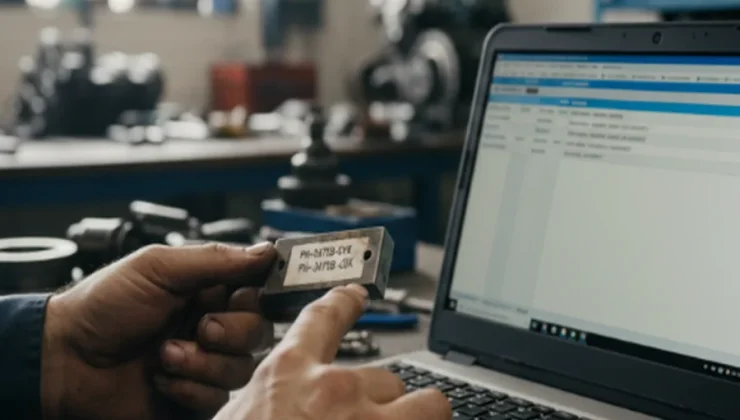
Ordering the wrong parts online can shut down your operation for days and cost you serious money. So, we hate returning. We all have bad online shopping experiences: waiting on a part or accessory that arrives and doesn’t fit, or worse, realizing you accidentally ordered the wrong quantities when you needed more. These delayed repairs make customers mad and eat into your bottom line. However, once you know what to watch for, you can avoid these problems and keep your shop or farm running smoothly. Now, reading it to know 9 useful tips to reduce online ordering mistakes in 3 minutes.
Tip #1: Double-Check Your Equipment Specifications
Off-road machinery comes in countless configurations, even within the same model year. An excavator might have three different hydraulic pump options, or a tractor could use two different starter types.
Before you click “add to cart,” have your equipment’s serial number and model information ready. Look for the data plate—it’s usually mounted somewhere on the frame or near the engine. This plate clearly shows what you’re working with.
Many online suppliers support VIN or serial number searches. Use it. This simple step catches compatibility issues before they become expensive problems. If the website asks for your machine’s build date or engine code, track that information down. Those details matter more than you might think.
Tip #2: Verify Part Numbers Against Multiple Sources
To ensure you get the correct parts, we recommend cross-referencing the part number on your current component with the online list. Sometimes a single digit or letter makes the difference between the right part and an expensive paperweight.
Take a photo of the part number stamped or labeled on your existing component. Compare it character by character with the listing. Look for superseded part numbers as well—manufacturers occasionally update part numbers when they make improvements, and the old number might still work.
If you’re shopping at sites like the FridayParts website, you may contact the team for a superseded part. Importantly, check both the aftermarket part number and the OEM reference number to ensure you’re ordering what you actually need.
Tip #3: Read Product Descriptions Carefully
Product descriptions show critical details that determine whether a part fits your equipment. Please read them word for word. If you think there are many words, you can pay attention to:
- Interface type, mounting dimensions
- Voltage ratings for electrical components
- Physical dimensions, especially length and diameter
- Material specifications
- Mounting hole patterns and spacing
- Interface dimensions and electrical compatibility
Some parts look identical to the photos, but have different specifications. A fuel filter may appear similar to 10 other filters, but the micron rating, flow direction, or mounting thread may differ. Don’t rely on pictures alone.
Tip #4: Watch for “Kit” vs. “Individual Part” Confusion
Have you experienced this situation: your parts arrive, and you realize you ordered only the seal when you needed the entire seal kit, including O-rings and gaskets? Or you ordered a full kit when you only needed one component.
Before ordering, ask yourself: Am I replacing just this one piece, or do I need the whole assembly? Check the product title and description for terms such as “kit,” “set,” “assembly,” or “individual.” Some listings specify exactly what’s included, while others leave you guessing.
If the description isn’t clear, contact the supplier before ordering. A quick message can save you from ordering wrong and dealing with returns.
Tip #5: Compare Prices (Do NOT Chase the Cheapest Option)
Sure, we all want to save money. But when a part costs 40% less than everywhere else, there’s usually a reason. It might be a knock-off, a used component sold as new, or a part that doesn’t quite meet specs.
Price shopping makes sense—check a few suppliers to see the going rate. If you’re shopping online, you can view genuine reviews on the site or in forums. But once you know the typical price range, be skeptical of anything far below it. Aftermarket parts from reputable suppliers often cost less than OEM without sacrificing quality. But parts are priced suspiciously low? That’s worth noting.
Tip #6: Check Shipping Times and Stock Availability
If you need a part that you hope can arrive quickly, then pay attention to the following things before ordering:
- Where is it shipping from?
- Is the part actually in stock?
- What’s the realistic delivery timeframe?
- Are there expedited shipping options?
If there is no specific info, ask them quickly. If you’re facing a breakdown during peak season, paying extra for faster shipping beats losing days of productivity.
Tip #7: Review Supplier Return Policies Before Ordering
Maybe the part arrives damaged. It may not fit even if it meets all the specs. Maybe you accidentally ordered two of the same thing.
Read the return policy before you buy. Look for:
- How many days you have to return
- Whether there’s a restocking fee
- Who pays return shipping
- Whether electrical or special-order parts are returnable
- What condition parts must be in for returns
Some suppliers charge restocking fees. Others offer free returns. If you’re ordering a pricey component and aren’t 100% certain it’s correct, lean toward suppliers like FridayParts( 90-day return on most parts)with flexible return policies.
Tip #8: Save Detailed Orders Records
Save your order confirmations, part numbers, and supplier information. When you install a part and it works great, note which supplier you used and what exact part number you ordered.
Next time you need that same part—or when your friendes asks where you got it—you’ll have the answer instantly. This also helps if you need warranty service down the road.
Tip #9: Choose a Trusted Supplier
Some suppliers offer prices that seem impossible; please heed that instinct. We suggest you cooperate with suppliers who:
- Have been in business for years
- Show real customer reviews
- Provide clear contact information
- Have actual phone support
- Answer questions promptly
Pro tip: Check forums or Reddit, search for “your supplier” for Word-of-mouth recommendations.
Conclusion
Reviewing the product page and knowing the vendor’s reputation are simple ways to reduce ordering mistakes. Also, you need to review their return policies and warranty service. The above helps make sure you choose a reliable supplier. At the same time, you should use the correct serial numbers and verify part numbers to avoid delays and financial losses.
By the way, you can set this page as your favorite, so you’re about to order a part online, run through this checklist next time. You’ll catch most mistakes before they happen and keep your equipment running right the first time.