Effortless Scannable Code Creation in C#
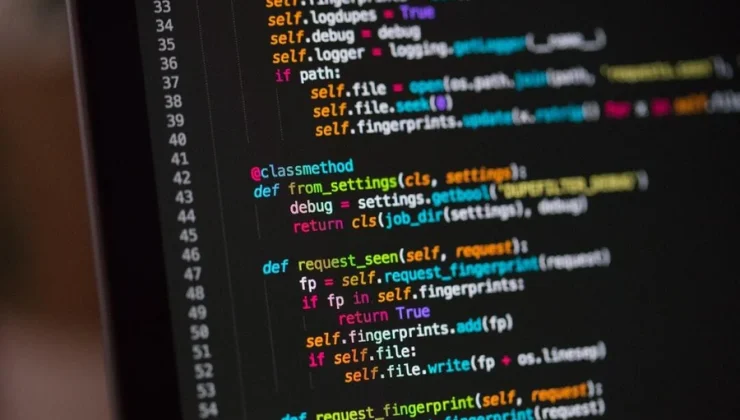
Learn how to build scannable code images in C#, automate labeling tasks, and streamline tracking across different systems and workflows.
Have you ever wondered how businesses keep track of items so easily? Scannable codes play a key role in daily work across many industries. They help teams label, scan, and manage data with less effort.
C# has long been trusted for building stable and clear software. When used together, C# and scannable codes create dependable systems. Simple design and proven methods still matter today.
This article shows how to create scannable code images in C# and promises clear steps that improve accuracy, save time, and support reliable workflows. Read on!
Understanding Scannable Codes in Business
Scannable codes make pictures out of data that machines can read quickly and correctly. In a lot of different places, these are used all the time to keep track of files, products, and assets.
These codes reduce manual typing and help avoid common errors. They also connect physical items to digital records in a clear way. This approach follows long-standing business practices that focus on order and consistency.
Why C# Fits Reliable Code Generation
C# is known for its clear structure and strict rules, which help keep software stable. Many organizations rely on it because applications are easier to maintain over time.
The language works well with image and system libraries. This makes it a solid choice for creating scannable code images. Such reliability reflects traditional development values that favor steady results over risky shortcuts.
Building Code Images with Proven Libraries
Trusted libraries handle most technical details like encoding and image size. This allows developers to focus on business needs instead of low-level graphics work.
Using a reliable C# barcode generator makes it easy to create images ready for printing or screens. Following standard sizes and spacing helps ensure codes scan correctly. These standards are widely used in labels and packaging.
Automating Labeling Across Workflows
With automation, writing code becomes a simple process that can be done over and over again. This helps keep workflows steady where precision is more important than quickness.
Images of codes can be added to records and labels automatically. This cuts down on the steps that have to be done by hand and the training that is needed. Over time, consistent automation makes people trust the system and its data.
Ensuring Compatibility and Quality
It’s a good idea to test codes on a range of scanners and devices. Careful testing shows that you want quality from the start.
Standard size, error correction, and contrast make scans better. When C# applications are created, they can use these rules. This steadiness stops issues from popping up in busy workplaces later on.
Supporting Tracking and Long-Term Use
Scannable codes are often used to keep track of things over time. They have to work even after being printed, touched, and worn.
Keeping code logic in shared services makes it easier to reuse. This is how people have always done things: by keeping clear records and control. This kind of discipline helps systems stay useful for a long time.
Learn How To Build Scannable Code Images in C#
Making scannable codes in C# is easy if you use a simple design and tools that are known to work. Systems stay reliable over time if they are built using traditional development rules.
Scannable code pictures make it easy to link physical things to digital data. They make it easier for teams to label, track, and automate things.
Using C# carefully keeps things simple and lets you keep control. Long-term success is helped by clear rules. Testing and consistency keep daily operations safe.
Did you like this guide? Great! Please browse our website for more!