
How to Replace Common Wear-and-Tear Parts on Your Car
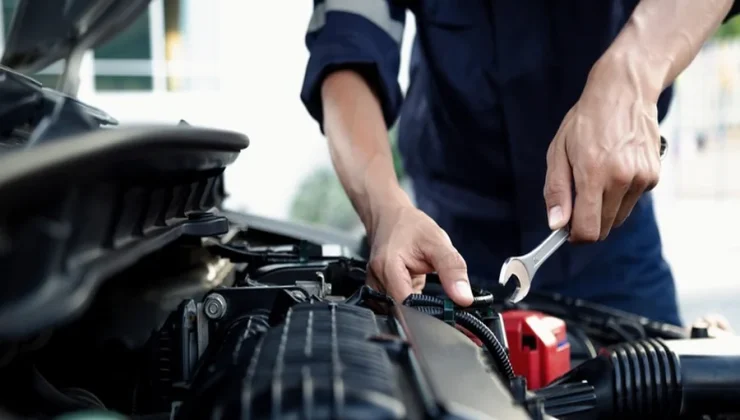
Vehicles need regular upkeep, but small wear-and-tear components are often overlooked. These parts are designed to be replaced periodically, and understanding when and why to replace them can help avoid costly repairs and ensure safety on the road.
Common Wear-and-Tear Components
Your vehicle is a complex machine with many moving parts. Certain components are engineered to endure friction and stress, which means they naturally degrade over time. Here are some of the most common wear-and-tear parts you should monitor.
Brakes
Your braking system is arguably the most critical safety feature in your car. For more information on brake replacement, check out meansbase for detailed guidance. It consists of several parts that wear down with every stop.
- Brake Pads: These create the friction needed to slow your wheels. They wear thin over time and are usually the first brake component to need replacement.
- Rotors: These are the discs that the brake pads clamp onto. They can become warped or worn down, leading to vibrations or reduced braking effectiveness.
- Brake Fluid: This hydraulic fluid can become contaminated with moisture and debris, reducing its performance. It needs to be flushed and replaced periodically.
Tires
Tires are your car’s only point of contact with the road, making their condition vital for safety and performance.
- Tread: The grooves in your tires are designed to channel water away and provide grip. As the tread wears down, your car’s handling and braking ability diminishes, especially in wet conditions.
- Tire Pressure: While not a component that wears out, maintaining proper tire pressure is crucial for even wear and optimal fuel economy.
Fluids and Filters
Your car relies on various fluids to lubricate, cool, and clean its systems. Filters ensure these fluids remain free of contaminants.
- Engine Oil and Filter: Oil lubricates the engine’s moving parts, and the filter traps harmful particles. Regular oil changes are essential for engine health.
- Air Filter: This filter prevents dust, dirt, and debris from entering your engine. A clogged filter can reduce engine performance and fuel efficiency.
- Coolant (Antifreeze): Coolant regulates your engine’s temperature. It can lose its effectiveness over time and should be flushed and replaced according to your manufacturer’s recommendations.
Wipers and Lights
Visibility is key to safe driving. Wiper blades and lightbulbs are simple to replace but often forgotten.
- Wiper Blades: The rubber on wiper blades degrades due to sun exposure and use, leading to streaks or ineffective clearing of rain and debris.
- Headlights and Taillights: Bulbs will eventually burn out. It’s important to check them regularly to ensure you can see and be seen at night.
Identifying When to Replace Components
Knowing what to look for can help you identify worn parts before they become a serious problem. Each component has its own set of warning signs.
- Brakes: A high-pitched squealing sound when you brake often indicates worn brake pads. A grinding noise suggests the pads are completely worn down, potentially damaging the rotors. If your car pulls to one side or the brake pedal feels spongy, it’s time for an inspection.
- Tires: Use the “penny test” to check your tire tread. Insert a penny into the tread with Lincoln’s head upside down. If you can see the top of his head, your tread is too low, and the tires need replacing. Also, look for cracks, bulges, or uneven wear patterns.
- Fluids: Check your engine oil using the dipstick. If the oil is dark, gritty, or below the “add” line, it’s time for a change. For other fluids like coolant and brake fluid, check the reservoirs to ensure they are at the correct level and the fluid appears clean. If you are looking for oil change services in Orem, Utah, a local mechanic can provide expert assistance.
- Wipers: If your wipers leave streaks, skip sections of the windshield, or make a chattering sound, the rubber is likely worn out and needs to be replaced.
The Importance of Timely Replacement
Putting off the replacement of a worn part might seem like a way to save money, but it often leads to more significant issues down the road.
- Safety: Worn brakes, bald tires, or burnt-out headlights are serious safety hazards. Timely replacements ensure your vehicle’s safety systems function as intended, protecting you and others.
- Performance: New parts help your car perform at its best. A clean air filter can improve engine power, while new spark plugs can enhance fuel efficiency and provide a smoother ride.
- Preventing Further Damage: Ignoring a small problem can cause a chain reaction. For example, a worn serpentine belt that breaks can cause your engine to overheat and lead to extensive, costly damage. Replacing it on schedule is a small price to pay to avoid a major repair bill.
Replacing Components: DIY vs. Professional
Some wear-and-tear replacements are simple enough for a novice to handle, while others are best left to a professional.
DIY-Friendly Replacements
- Wiper Blades: This is usually a quick, tool-free job that most car owners can do themselves in a few minutes.
- Air Filter: Replacing the engine air filter typically involves opening a housing, swapping the old filter for a new one, and closing it back up.
- Lightbulbs: Many headlight and taillight bulbs are accessible and can be changed with minimal effort.
When to Call a Professional
- Brakes: Brake work requires specialized tools and knowledge. Given their critical role in safety, it’s wise to have a certified mechanic handle replacements and inspections.
- Tires: Mounting and balancing new tires require specific machinery to ensure they are fitted correctly and perform safely.
- Fluid Flushes: While topping off fluids is straightforward, completely flushing systems like the coolant or transmission fluid is a more complex and messy job that is often best left to a professional.
Cost Considerations
The cost of replacing wear-and-tear components can vary widely based on your vehicle’s make and model, the quality of the parts, and whether you do the work yourself. Premium or original equipment manufacturer (OEM) parts generally cost more than aftermarket alternatives but may offer better quality and longevity.
While DIY can save on labor costs, remember to factor in the price of any tools you might need to buy. For professional services, it’s always a good idea to get quotes from a few different shops to compare prices.
Conclusion
Staying on top of wear-and-tear components is a fundamental part of responsible car ownership. By regularly inspecting your vehicle and replacing parts as needed, you not only enhance its safety and performance but also extend its lifespan.