Modern Home Layouts: How to Reconfigure Space for Today’s Lifestyles
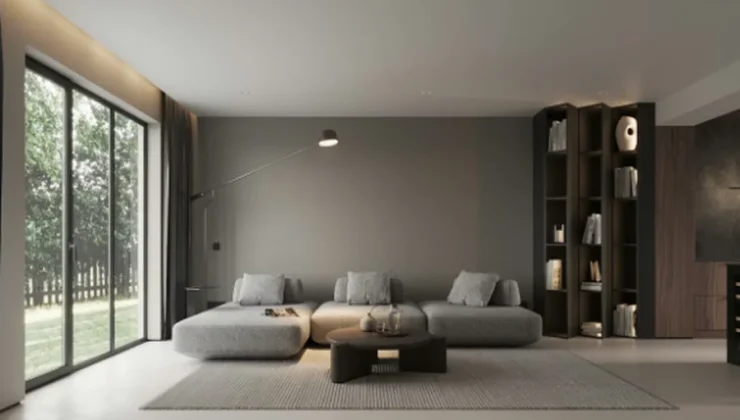
Modern homes in Fairfax sit within a region where families value comfort, flexibility, and efficient use of every square foot. Residents handle busy commutes, evolving work schedules, and multigenerational living needs, so they look for layouts that support movement, connection, and privacy. Many owners take older structures and update them so each room serves multiple roles without feeling crowded. They consider how daylight, flow, and purpose shape a space that feels balanced and practical. This approach encourages a fresh look at floor plans and inspires creative rearranging that improves daily life while keeping the familiar character that the community appreciates.
1. Rethinking Open Space for Functional Living
Homeowners want open layouts, but they also want control over how each zone supports daily tasks. Families often cook, supervise homework, host friends, and relax in the same shared area, so they shape the open space with intentional boundaries. Furniture placement, lighting choices, and strategic shelving create natural divisions without blocking sightlines. This approach encourages conversation and movement while keeping clutter controlled. Owners adjust each zone quickly when schedules change, which maintains a sense of order. A flexible open space supports both lively gatherings and quiet moments with equal ease and comfort.
2. Blending Private and Shared Areas for Balance
People crave a clear balance between togetherness and personal time, so they rethink how rooms connect and flow. Many residents in Fairfax choose designs that allow quick transitions between shared lounges and secluded corners. They place reading nooks near windows, create compact study spots, and shape hallways that guide movement smoothly. These details help every family member enjoy privacy without isolating themselves. Homeowners should consult a reputable Fairfax home additions contractor when they need structural changes that improve room placement or circulation. These targeted adjustments strengthen the harmony between interaction and retreat in a lively household.
3. Expanding Kitchen Usability with Smart Design
A modern kitchen serves as a social hub, so owners shape it to handle multiple tasks without feeling cramped. They use smart storage solutions to keep surfaces clear and movement easy. Large islands support meal prep, quick breakfasts, and casual conversations. Home cooks choose layouts that position appliances efficiently, which reduces steps and keeps traffic flowing. Thoughtful lighting shapes a bright atmosphere that helps residents stay energized. Each adjustment gives the kitchen a welcoming feel. Families then gather, cook, and connect with ease because every feature works together with purpose and clarity.
4. Creating Dedicated Zones for Work and Study
Remote work and digital learning now shape home routines, so owners carve out areas that support focus and productivity. They choose quiet corners with strong natural light and place desks that allow clear posture. A well-organized workspace encourages efficient habits and reduces distractions. Homeowners often choose movable dividers or adjustable shelving to create separation without closing off a room. This approach ensures smooth transitions between work and relaxation. Technology placement also matters, so they manage cables, lighting, and device storage with care. A functional workspace supports daily responsibilities while keeping the home’s overall layout balanced.
5. Designing Bedrooms That Support Rest and Flexibility
Bedrooms serve as retreat spaces, so owners choose layouts that support calm routines and restful sleep. They place the bed where morning light arrives gently and arrange storage that keeps floors clear. A flexible bedroom can handle more than sleep; it might host a reading chair, a meditation area, or a compact workstation. People use soothing colors, soft textures, and warm lighting to shape a grounded atmosphere. Every detail contributes to comfort and clarity. This intentional design helps individuals recharge fully, which improves mood, focus, and overall well-being throughout busy days.
6. Transforming Living Rooms into Adaptable Social Hubs
Living rooms now support a wide mix of activities, so owners design them with adaptability in mind. They place seating that moves easily and create layouts that shift from movie nights to group conversations without effort. Versatile coffee tables, modular sofas, and lightweight side chairs help the room adjust quickly. Homeowners also shape the atmosphere with layered lighting, which supports both lively gatherings and calm evenings. Every feature encourages connection while keeping comfort at the center. This type of living room invites people to relax, interact, and entertain without feeling confined by a single purpose.
7. Enhancing Entryways for Better Flow and Organization
Entryways shape first impressions and guide movement, so owners treat them with the same care as larger rooms. They place hooks, benches, and streamlined storage to manage coats, shoes, and everyday carry items. A clear drop zone cuts clutter before it spreads into the rest of the home. Homeowners also use thoughtful lighting and mirrors to make the space feel bright and welcoming. A well-planned entryway supports smooth transitions in and out of the home. Families appreciate the sense of order because it prepares them for the day and helps them wind down when they return.
8. Improving Bathroom Efficiency Through Thoughtful Layouts
Bathrooms handle constant use, so efficient layouts improve comfort and daily routine. Owners choose placements that allow easy movement between the vanity, shower, and storage. They often add built-in shelving, floating cabinets, and clear counters to keep the room tidy. Good ventilation and warm lighting support a relaxing atmosphere. People also incorporate durable finishes that clean easily without sacrificing style. Each decision increases usability and minimizes stress during busy mornings. A well-designed bathroom helps individuals prepare with clarity, which strengthens momentum throughout the day and makes the space feel refreshingly functional.
Modern home layouts encourage intentional living by shaping each area to serve multiple roles without creating stress or confusion. Flexible designs help families adapt to changing schedules while maintaining comfort and clarity. When owners think about flow, storage, lighting, and usability, they create spaces that support both personal routines and shared experiences. Every adjustment strengthens harmony between functionality and comfort. A well-configured home then works as a supportive environment that grows with the household, reflects daily rhythms, and offers room to connect, focus, and recharge with purpose.