What Drivers Often Get Wrong in Pedestrian Accidents — And How Evidence Clears the Picture
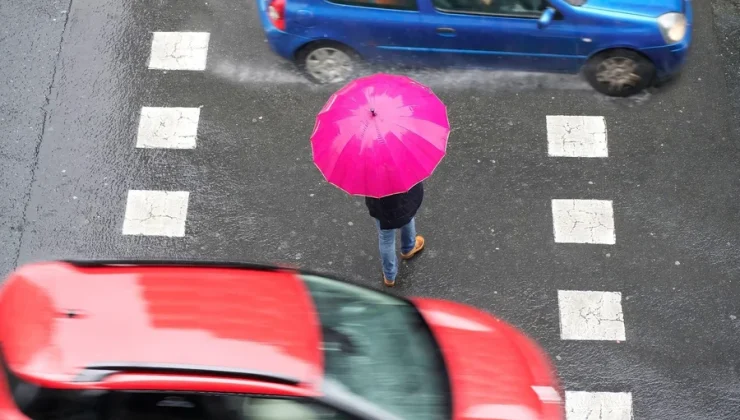
Most people walk through the pedestrian streets of Cumming without thinking twice about safety. They cross near Market Place Boulevard, walk their dogs in quiet neighborhoods, or move through busy shopping areas. But when a vehicle suddenly hits someone on foot, everything changes in a single moment. A normal day becomes a situation filled with shock, pain, and confusion. And like many pedestrian accident cases, the driver’s version of events often doesn’t match what actually happened.
These accidents are some of the most misunderstood events on Georgia roads. Drivers may be unsure, emotional, or quick to protect themselves, which leads to early statements that are simply inaccurate. Those early comments can shape how insurance companies see the crash. That’s why understanding what drivers often get wrong—and how strong evidence corrects the picture—is so important for anyone injured in a pedestrian accident in Cumming or anywhere in Forsyth County.
Drivers Often Misunderstand What Really Happened
Pedestrian collisions rarely happen in slow motion. They occur suddenly, often before either party fully processes the situation. In those moments, drivers sometimes fill in the gaps with assumptions, guesses, or statements aimed at protecting themselves. Here are the most common misconceptions they share after a crash.
1. “The pedestrian stepped out too fast.”
This is one of the most common statements drivers make. It may be said out of panic or fear, but in many cases, it’s simply untrue. Distraction, speed, and delayed reaction time are frequent causes of pedestrian crashes. Georgia law requires drivers to be alert and prepared for people in or near crosswalks—not surprised by them.
2. “I had the green light, so I’m not at fault.”
Green means go, but it does not mean ignore pedestrians. Many crashes happen during turns, especially left turns, when drivers focus on traffic instead of checking the crosswalk. Even with a green light, a driver can still be responsible if a pedestrian was already crossing legally.
3. “The pedestrian wasn’t in the crosswalk, so it’s their fault.”
This mistake is very common. Georgia law does not automatically blame the pedestrian for crossing outside a crosswalk. Drivers still have a duty to look ahead, slow down, and avoid hitting anyone in the roadway if possible.
4. “The pedestrian was wearing dark clothes.”
Clothing may affect visibility at night, but it does not erase a driver’s legal responsibility. Many pedestrian crashes occur in broad daylight, in well-lit shopping areas, or near schools.
5. “The pedestrian didn’t look at me, so I thought they weren’t crossing.”
Eye contact is not a requirement under the law. Drivers must watch for people in the roadway, not wait for acknowledgment before slowing or stopping.
6. “I wasn’t going fast, so the injuries can’t be serious.”
Even at low speeds, a vehicle striking a person can cause severe harm. Broken bones, spinal injuries, and head trauma can occur even when a car is moving slowly.
How These Misconceptions Harm the Injury Claim
When a driver makes one of these statements, it often gets recorded in the police report or repeated to the insurance company. Once that happens, the insurer may:
- Question: Who had the right-of-way
- Suggest the pedestrian “should have been more careful.”
- Attempt to assign fault to the injured person
In Georgia, this is especially important because of the state’s modified comparative negligence rule. A pedestrian can recover damages only if they are less than 50% at fault. If the insurer can shift 50% or more of the blame to the pedestrian, the claim may be denied entirely.
That is why evidence—not assumptions—matters so much.
Evidence That Reveals the Truth
Pedestrian accidents are best understood through clear, factual evidence. This is often what makes the difference in a case.
1. Surveillance and security camera footage
Many areas in Cumming—shopping centers, intersections, businesses—have cameras that capture crashes. Video shows:
- Whether the pedestrian has already entered the crosswalk
- The driver’s speed
- Traffic light timing
- Whether the driver was paying attention
But footage is usually overwritten within days, making early action critical.
2. Dashcams and vehicle data
Some drivers have dashcams that record impact details. In addition, many newer vehicles store:
- Speed
- Brake application
- Steering movement
- A timeline of actions seconds before the crash
This data often contradicts the driver’s explanation.
3. Phone records
If the driver was texting or on a call, phone logs can reveal distraction—even if the driver denies it.
4. Eyewitness statements
People walking nearby, shoppers, neighbors, or other drivers often see the crash. Their memories fade quickly, so early witness contact is important. A simple, clear statement can completely change the direction of a case.
5. Physical evidence on the scene
Skid marks, broken glass, shoe scuffs on pavement, or the point of impact on the vehicle can help reconstruct how the crash happened.
6. Injury patterns
Medical professionals can determine the direction and force of impact by examining injuries. Certain fractures or bruising patterns show where the pedestrian was hit, which lane they were in, and how fast the vehicle may have been moving.
7. Pedestrian signals and road layout
Understanding the timing of walk signals, traffic lights, turning lanes, and crosswalks near Cumming intersections helps clarify who has the right-of-way. Many drivers misunderstand or misremember these details.
Georgia Law: Simple Rules That Matter
To help understand how fault is evaluated, here are the key principles under Georgia law:
1. Right-of-way rules
Pedestrians have the right-of-way in:
- Marked crosswalks
- Unmarked crosswalks at intersections
Drivers must stop until the pedestrian fully clears their lane.
2. Duty of care
Drivers must:
- Stay alert
- Slow down in pedestrian areas
- Yield during turns
- Avoid distracted driving
3. Modified comparative negligence
A pedestrian can recover damages only if they are less than 50% responsible. If they’re 50% at fault or more, the claim can be denied.
4. Time limits
Georgia typically allows two years to file a pedestrian injury claim, but waiting can lead to lost evidence.
When Pedestrians Should Consider Getting Guidance
Most pedestrians do not think about legal issues right away. They are focused on pain, medical appointments, and the fear of missing work. But challenges often arise quickly:
- Drivers changing their story
- Insurance companies are pushing blame.
- Confusing right-of-way questions
- Medical bills increasing
- Video footage disappearing
This is usually when injured pedestrians seek help understanding their rights and how to protect their claim.
A Final Note for Cumming Pedestrians
A pedestrian accident is frightening and life-disrupting, but you are not powerless. Driver statements are not always accurate, especially in the confusion after a crash. Evidence—simple, clear evidence—often reveals the truth. The goal is not to assign blame unfairly, but to make sure the full story is understood so the injured person can move forward with clarity.