Why Some Hand Injuries Don’t Heal Properly on Their Own
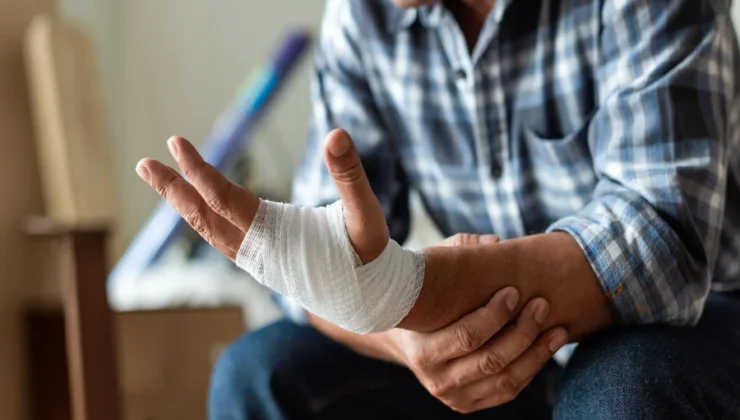
It’s easy to underestimate a hand injury. A swollen finger, sore wrist or painful thumb might seem like something that simply needs a few days of rest. Sometimes that’s exactly what happens. But hands are complicated, and an injury that initially looks minor can involve bones, tendons, ligaments, nerves or joints.
When pain or reduced function continues, hoping the problem will eventually disappear isn’t always the best approach. Persistent symptoms may need assessment by an appropriately qualified healthcare professional, including specialists working in areas such as hand surgery Perth patients can access, depending on the nature of the injury.
The issue isn’t necessarily that the body has “failed” to heal. Sometimes injured tissue heals in a position or way that doesn’t restore normal movement and function. In other cases, the original injury may have been more significant than it appeared.
The Hand Has a Lot Packed Into a Small Space
Think about how many different movements your hands perform every day.
You can make a fist, spread your fingers, pinch tiny objects, turn a key and grip something heavy. Producing those movements requires multiple structures to work together within a relatively small area.
An injury can therefore affect more than the spot that hurts.
For example, a cut may damage a tendon or nerve beneath the skin. A finger that looks merely “jammed” after sport could have a fracture or ligament injury. What seems like a simple wrist sprain may occasionally involve a more significant injury.
That’s why appearance alone doesn’t always tell you how serious the problem is.
Some Fractures Can Heal in the Wrong Position
Broken bones naturally begin repairing themselves, but alignment matters.
If a fracture is displaced or unstable, the bone may not remain in the ideal position while it heals. When this results in poor alignment, it can affect movement, grip or the position of a finger.
This is one reason simply waiting for a suspected fracture to feel better can be risky.
Some fractures can be treated without surgery, while others require different management. The important step is identifying the injury and determining whether the bone is positioned appropriately.
Tendons May Not Simply Reconnect
Tendons allow muscles to move your fingers and thumb.
If a tendon is completely cut or ruptured, normal movement may be lost. Depending on which tendon is affected, you might suddenly find that you can’t properly bend or straighten a particular joint.
These injuries can sometimes be surprisingly painless after the initial event.
A small cut to a finger, for example, may not look dramatic from the outside even if a deeper structure has been damaged.
If you’ve injured your hand and suddenly can’t perform a movement that was previously normal, seek medical assessment rather than assuming swelling is responsible.
Ligament Injuries Can Affect Stability
Ligaments help stabilise joints.
When they’re significantly injured, the joint may become painful, weak or unstable. Some ligament injuries heal successfully with appropriate non-surgical treatment, but others may need more specialised management.
Continuing to heavily use an unstable joint can potentially make everyday activities more difficult.
Pay attention to symptoms such as persistent swelling, a feeling that the joint gives way, unusual sideways movement or difficulty gripping.
Nerve Injuries Can Be Easy to Miss
Nerves provide sensation and help control muscles.
Damage can cause symptoms including numbness, tingling, weakness or altered sensation. Depending on the type and severity of the injury, nerve recovery can vary considerably.
Persistent numbness after a hand injury shouldn’t simply be ignored, particularly if it started immediately after a cut, crush injury or other significant trauma.
Seek prompt medical attention if you’re concerned about loss of sensation or movement.
Scar Tissue Can Affect Movement
Healing itself can occasionally create another challenge.
After certain injuries or operations, scar tissue may form around structures that need to move smoothly. In the hand, where tendons must glide to produce finger movement, adhesions can sometimes restrict that movement.
This is one reason rehabilitation may form an important part of treatment.
Depending on the injury, a healthcare professional may recommend specific exercises, splinting or hand therapy. Doing too much too early can be problematic, but avoiding movement for longer than recommended can also contribute to stiffness.
Know the Signs That Deserve Attention
Not every sore finger requires specialist treatment. Minor injuries often improve with appropriate care and time.
However, consider seeking medical assessment when you notice:
- Significant swelling or deformity
- Inability to bend or straighten a finger normally
- Persistent numbness or tingling
- Severe or worsening pain
- Loss of grip strength after an injury
- A joint that feels unstable
- Pain and restricted movement that aren’t improving
- Signs of infection after a cut or wound
Urgent assessment may be necessary for severe injuries, major wounds, significant deformity, loss of circulation or other concerning symptoms.
Don’t Judge Recovery by Pain Alone
One of the biggest mistakes with hand injuries is assuming that less pain automatically means everything has healed correctly.
Pain can improve while stiffness, weakness, instability or restricted movement remains. That’s why function matters.
Can you straighten the finger fully? Has your grip returned? Is sensation normal? Can you perform everyday tasks without compensating with your other hand?
Hands are remarkably capable, but that also means small problems can have an outsized effect on daily life. If an injury isn’t improving as expected, getting it assessed can help identify what’s actually been damaged and whether treatment or rehabilitation is needed.
Waiting isn’t always harmful, but neither is it automatically a treatment. When normal movement, strength or sensation doesn’t return, finding out why is usually more useful than simply giving the injury another few months to sort itself out.