Keeping Up With Tree Maintenance During a Busy Schedule
Learn how busy property owners can stay on top of essential tree care while protecting their property, improving safety, and saving time.
Tree care can easily fall to the bottom of a long to-do list. Work, family, errands, and other home projects often take priority. Still, ignoring tree maintenance for too long can lead to bigger problems later.
The good news is that tree care does not have to take over your schedule. A few simple checks each month can help you spot damage, keep branches under control, and protect your property. With a clear routine, busy homeowners can stay on top of tree care without spending every weekend outside.
Create a Simple Seasonal Tree Care Plan
A basic schedule can make tree maintenance much easier.
Instead of trying to remember everything at once, divide the work by season. Spring can be used for checking new growth and winter damage. Summer is a good time to watch for heat stress, pests, and dry soil.
Fall can focus on cleanup and weak branches before winter storms. Winter may be a good time to look at tree structure more clearly because many trees have fewer leaves.
You do not need a complex system. A phone reminder or calendar note every few months can be enough.
The goal is to make tree care part of your normal home routine instead of waiting until something goes wrong.
Focus on the Most Important Safety Checks
Busy homeowners should focus first on issues that may create a safety risk.
Look for broken branches, large cracks, sudden leaning, or limbs hanging over the roof, driveway, or walkway. These problems may become more serious during strong wind or storms.
You should also watch for dead branches. They may fall with little warning, especially during bad weather.
Check trees near power lines from a safe distance. Do not attempt to trim branches that are close to electrical lines.
If you notice a major problem, call a trained professional. Safety work should always come before cosmetic trimming or other small tasks.
A short visual check every few weeks can help you catch these concerns early.
Keep Watering Simple and Consistent
Young trees and newly planted trees often need more regular watering than older ones.
Busy homeowners may find it easier to choose one or two watering days each week during dry weather. The exact amount depends on the tree, soil, and climate.
Deep watering is usually more useful than a quick spray. It helps moisture reach lower into the soil where roots can use it.
Check the ground before watering. If the soil is already wet, extra water may not be needed.
Mulch can also help reduce how often you need to water. A wide layer around the root area can help the soil hold moisture longer.
Keep mulch away from the trunk to avoid trapping too much moisture against the bark.
Handle Small Pruning Jobs Before They Grow
Small pruning jobs are easier to manage than large ones.
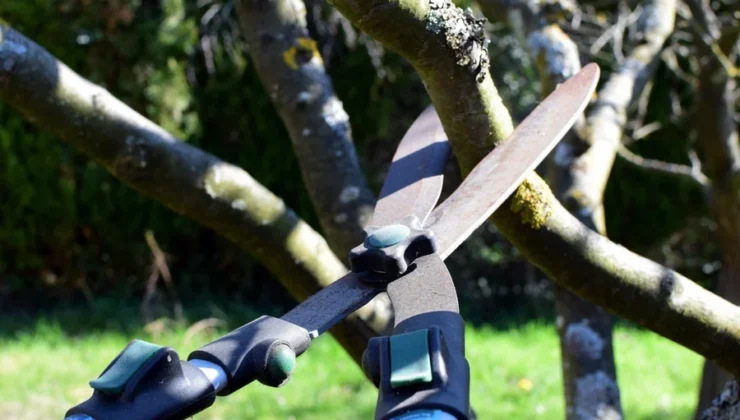
If you notice a small dead or damaged branch that can be reached safely from the ground, it may be simple to remove with the right hand tool.
Avoid cutting large branches or climbing a ladder with sharp tools. These jobs can become dangerous very quickly.
It is also important not to remove too many healthy branches at once. Heavy pruning can weaken a tree.
If the tree has large dead limbs, storm damage, or major structural problems, professional help may be the better choice. Property owners looking for tree removal in Kennesaw may also want to compare local services when a damaged or unsafe tree needs more than basic trimming.
Watch for Signs of Pests and Disease
You do not need to inspect every leaf to notice a tree problem.
Look for major changes in color, leaf loss, bark damage, or branch growth. A tree that suddenly looks very different from the others may need attention.
Common warning signs may include:
- Large areas of dead leaves
- Holes in bark
- Sticky material
- Early leaf drop
- Dying branches
A few damaged leaves are not always a serious problem. Trees live outdoors and naturally deal with insects and weather.
The main concern is a change that spreads or gets worse over time.
Take a photo when you first notice something unusual. This can help you compare the tree later and see whether the problem is improving or spreading.
Keep the Area Around Trees Clear
Simple yard cleanup can support tree health.
Remove heavy piles of leaves, broken branches, and other debris from around the trunk. This makes it easier to inspect the tree and reduces clutter.
Keep lawn equipment from hitting the bark. Mowers and string trimmers can cause damage when they get too close.
A mulch ring can create a safe space around the trunk and reduce the need to trim grass in that area.
Do not store heavy items, firewood, or building materials against the tree.
Also avoid adding large amounts of soil around the trunk. Tree roots need both air and water, and major soil changes can affect how they work.
A few minutes of cleanup can make future inspections much easier.
Use Professional Help to Save Time
Not every tree job needs to be handled by the homeowner.
Professional tree care can be especially useful when the property has large trees, storm damage, or branches near buildings.
A trained tree professional can also inspect problems that are difficult to see from the ground.
Before hiring someone, ask about experience, insurance, and the type of work they provide.
It can also help to group several tasks into one visit. For example, you may ask for an inspection, pruning, and removal of unsafe limbs at the same time.
This can save time and reduce the number of appointments you need to manage.
Professional help is especially valuable when the work requires climbing, heavy equipment, or specialized tools.
Conclusion: Keep Your Trees Healthy Year-Round
Tree care is easier when it becomes part of your normal home routine. Regular checks, safe pruning, proper watering, and simple cleanup can help prevent small problems from turning into costly repairs.
Busy homeowners do not need to handle every task alone. If a tree has large broken limbs, signs of disease, or possible safety risks, professional help can save time and reduce danger.
Start with a quick check of the trees around your property and add seasonal reminders to your schedule. A little care throughout the year can help keep your trees healthy, attractive, and safer for everyone around your home.
If you’d like to learn more, check out more articles on our blog.