
How Artificial Intelligence is Streamlining 3D Workflows for Creators
Understanding Artificial Intelligence In 3D Modeling
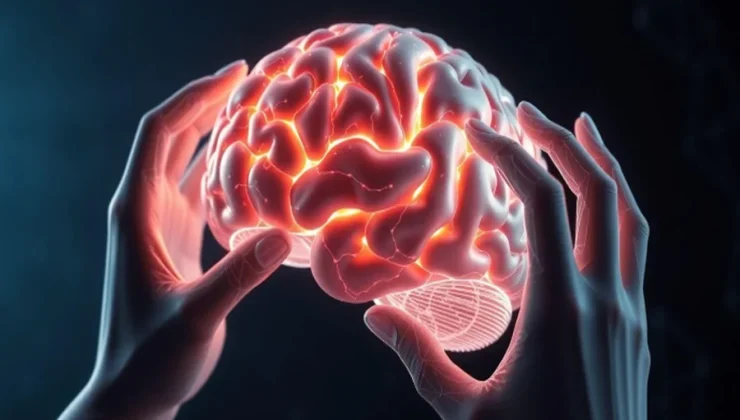
The world of 3D design is changing fast, and Artificial Intelligence (AI) is a big reason why. It’s not just about making things look pretty anymore; AI is helping creators work smarter and faster. Think of AI as a new set of tools that can handle some of the heavy lifting, letting artists focus on the really creative parts. With the 3D AI Studio announces major update, creators now have access to enhanced features that push the limits of what AI can achieve in 3D modeling and design automation. This shift means we’re seeing new ways to build digital worlds and objects.
AI in 3D modeling means computers are learning to do tasks that used to take a human a long time. This includes things like figuring out the best way to arrange objects in a scene or even generating basic shapes based on a description. It’s about making the whole process more intuitive. The goal is to make complex 3D work more accessible and efficient for everyone involved in creating digital content.
This new wave of AI integration is fundamentally altering how we approach 3D creation. It’s moving beyond simple automation to become a true partner in the design process. The impact of Artificial Intelligence on 3D modeling is already significant, and it’s only going to grow as the technology matures and becomes more integrated into everyday tools.
Streamlining Workflows With Intelligent Automation
Automating Repetitive Tasks For Efficiency
Artificial intelligence is stepping in to handle the grunt work in 3D creation. Think about tasks like cleaning up motion capture data or generating simple background elements. These are time-consuming jobs that don’t always require a human touch. AI can process these repetitive actions much faster and with fewer errors than a person could. This means artists spend less time on tedious chores and more time on the actual creative design. The goal here is to make the whole process smoother.
This intelligent automation is a big deal for studios, especially smaller ones. It means they can produce more content without needing a massive team. The efficiency gains from AI handling these tasks are significant. It’s not about replacing artists, but about giving them tools to work smarter. This allows for a more focused approach to the creative aspects of 3D modeling.
The real win is freeing up human talent for more complex problem-solving and artistic expression. By automating the mundane, AI helps streamline workflows, making the entire production pipeline more agile. This shift is changing how projects are planned and executed, leading to quicker turnarounds and better resource allocation. It’s a practical application of AI that directly impacts the bottom line and creative output.
Revolutionizing Asset Creation
Rapid Prototyping With AI Tools
Creating 3D assets used to take ages. Now, AI tools can whip up basic models from text or simple sketches in minutes. This means designers can test out more ideas faster than ever before. It’s like having a super-fast assistant for your initial concepts. This rapid prototyping speeds up the whole design process, letting creators iterate quickly and find the best solutions without getting bogged down.
Generating Variations Of Existing Models
Need a bunch of similar but slightly different objects? AI is a game-changer here. Feed it an existing model, and it can generate multiple variations – think different colors, sizes, or minor shape tweaks. This is incredibly useful for populating game worlds or creating product lines. The ability to generate variations means less manual work and more diverse outputs.
AI-Assisted Texturing And Materials
Getting textures and materials just right can be a real headache. AI can now analyze images and automatically generate realistic textures or suggest material properties. This takes a lot of the guesswork out of texturing. It helps create more believable surfaces and saves artists significant time on what can be a very repetitive task. The AI-assisted texturing process is becoming a standard part of many workflows.
The Impact On Production And Efficiency
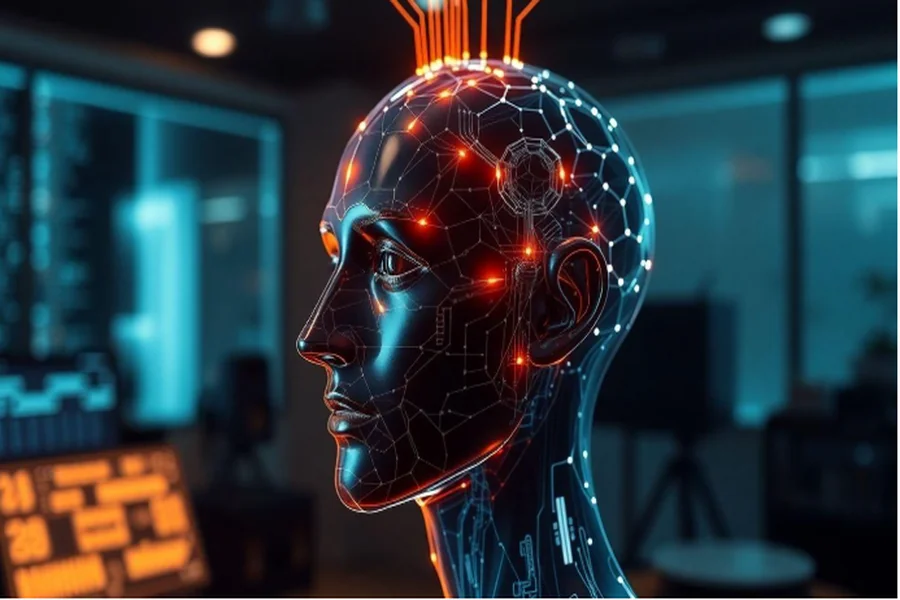
AI is changing how quickly projects get done. It handles a lot of the grunt work, letting artists focus on the fun stuff. This means less time spent on boring tasks and more time for actual creation. Think of it as having a super-fast assistant for all those repetitive modeling jobs.
Reducing Production Time Significantly
AI tools are a game-changer for speed. They can generate basic assets, clean up meshes, and even create variations of existing models in a fraction of the time it used to take. This acceleration is huge for meeting deadlines. Projects that once took months can now be completed in weeks. This boost in efficiency means studios can take on more work or deliver projects faster to clients.
Cost Efficiency For Indie Developers
For smaller teams or solo creators, AI is a lifesaver. The cost of 3D asset creation can be a major hurdle. AI significantly lowers these costs by automating tasks that would otherwise require hiring more people or spending a lot of time. This makes high-quality 3D production accessible even with a small budget. It’s a way for indie developers to compete with bigger studios.
Focusing On Higher-Value Creative Work
When AI takes over the tedious parts of 3D work, artists are freed up. They can spend more time on the creative aspects: designing unique characters, developing compelling environments, and refining the overall artistic vision. This shift allows for more innovation and better quality in the final product. The focus moves from manual labor to artistic direction and problem-solving, which is where human creativity truly shines. This is a big win for the artistic side of 3D production.
The Future Role Of 3D Artists
A Hybrid Approach To 3D Creation
The landscape for 3D artists is shifting, not disappearing. The future points towards a hybrid model where human creativity meets intelligent automation. Artists will increasingly blend their traditional skills with new AI tools. This means mastering both artistic fundamentals and understanding how to guide AI systems effectively. The goal is to augment human capabilities, not replace them.
This evolution requires a proactive stance. Artists need to experiment with AI tools as they emerge. Developing complementary skills, like prompt engineering or understanding procedural generation, will be key. Focusing on areas where AI still struggles, such as unique conceptualization and subjective artistic direction, will also define future roles. It’s about working with AI.
Emerging Opportunities In AI Integration
New roles are appearing as AI becomes more integrated. Think AI tool specialists who help develop and refine these systems. Technical directors will focus on integrating AI into existing pipelines. Creative directors will guide AI output, ensuring it aligns with artistic vision. There’s also a growing need for prompt engineers who can effectively communicate with AI to achieve desired results.
These emerging opportunities highlight a demand for individuals who can bridge the gap between human intent and machine execution. Quality control experts will be vital to ensure AI-generated assets meet project standards. Pipeline optimization specialists will streamline the entire AI-assisted workflow. The industry is looking for those who can manage and direct AI.
Essential Skills For The Evolving Landscape
To thrive, 3D artists need to adapt. A strong grasp of artistic fundamentals remains paramount. This includes composition, color theory, and form. Alongside this, understanding procedural modeling techniques will be beneficial. The ability to optimize AI-generated assets for performance and aesthetics is also critical.
Technical problem-solving skills will be more important than ever. Artists will need to troubleshoot AI outputs and integrate them smoothly. Knowledge of various 3D file formats and industry standards is also a must. Ultimately, the most successful artists will be those who can combine their innate creativity with a practical understanding of AI technologies.
3D AI Studio Enhances Creative Possibilities
Agile Design and Rapid Prototyping
3D AI Studio is changing how creators bring ideas to life. It makes designing faster and more flexible. Think about needing a quick prototype for a new product or game asset. Instead of spending hours modeling from scratch, AI tools can generate initial concepts in minutes. This means less time spent on the basic shapes and more time refining the details that matter.
This speed is a game-changer, especially for smaller teams or solo artists. They can now experiment with more ideas without the usual time and resource constraints. The ability to quickly iterate on designs allows for a more dynamic creative process. Agile design is no longer just a buzzword; it’s a practical reality with AI.
This approach to rapid prototyping means that concepts can be tested and improved upon much faster. It allows for a more responsive development cycle, where feedback can be incorporated almost immediately. The result is a more polished final product, developed with greater efficiency.
Optimizing Resources for Immersive Worlds
Building vast, detailed 3D environments can be incredibly demanding on computing power and artist time. AI plays a significant role in making these complex worlds more manageable. Tools within 3D AI Studio can intelligently optimize models, reducing polygon counts and file sizes without a noticeable loss in visual quality. This is vital for creating smooth experiences, especially in real-time applications like video games or virtual reality.
Machine learning algorithms can analyze scenes and identify areas where optimization is possible. This might involve simplifying geometry, optimizing textures, or even procedurally generating LODs (Levels of Detail). The goal is to ensure that even the most intricate worlds can run efficiently across a range of hardware.
The intelligent optimization of assets means that creators can focus on building richer, more detailed environments without being held back by technical limitations. This allows for a greater scope of imagination in world-building.
The Next Generation of Rendering Design
The integration of AI into 3D workflows is ushering in a new era for rendering design. AI-powered rendering engines can significantly cut down render times by intelligently predicting and refining image details. This means artists can see their final renders much faster, allowing for quicker adjustments and more iterations.
Features like AI denoising are becoming standard, cleaning up noisy renders in a fraction of the time traditional methods would take. Furthermore, AI can assist in scene setup, suggesting lighting configurations or material properties based on learned patterns from vast datasets. This collaborative approach between human artists and AI tools is redefining what’s possible in digital art and visualization.
This evolution in rendering design is not about replacing artists but about augmenting their capabilities. It allows for the creation of more complex and visually stunning results with greater speed and less manual effort. The future of rendering design is undoubtedly intertwined with the continued advancement of AI technologies.
The Road Ahead
So, it’s pretty clear that AI isn’t just a passing trend in 3D design; it’s really changing things. We’ve seen how it can speed up work, help artists focus on the fun parts, and even create stuff that used to take ages. Tools are getting smarter, and the way we make 3D models and animations is shifting. It looks like the future involves humans and AI working together, making cool designs faster and maybe even better than before. It’s an exciting time to be in this field, with new possibilities popping up all the time.