
The Skin Color Problem: Why AI Can’t See All of Us Yet
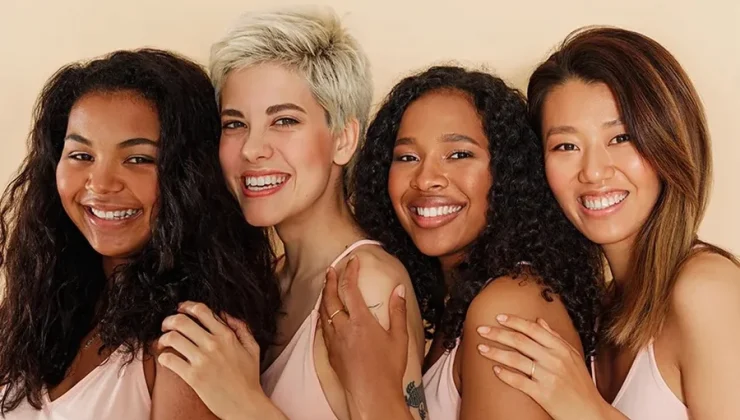
When computer vision meets melanoma detection, there’s a glaring issue that literally involves glare—and shade. Most AI skin cancer detection systems work brilliantly on fair skin but fumble when analyzing darker complexions. This isn’t just a technical hiccup; it’s a critical healthcare equity problem that affects millions of people worldwide.
The root cause? Training datasets that are whiter than a dermatology conference in Minnesota circa 1950. Most AI skin cancer detection apps learn from image collections that predominantly feature lighter skin tones, creating algorithms that excel at spotting suspicious moles on pale skin while potentially missing life-threatening cancers on darker skin.
This disparity matters more than you might think. While melanoma rates are lower in people with darker skin, the survival rates tell a sobering story. When melanoma does occur in Black patients, it’s often caught later and has worse outcomes—partly because both human doctors and AI systems are less trained to recognize cancer presentations on darker skin.
The Dataset Dilemma in Medical AI
Medical AI systems are only as good as the data they’re trained on, and herein lies the problem. Most dermatological image datasets suffer from what researchers politely call “demographic imbalance” and what everyone else calls “a serious lack of diversity.”
The Stanford HAM10000 dataset, one of the most widely used collections for training AI skin cancer detection models, contains predominantly images from European populations. When researchers analyzed 16 popular dermatology datasets in 2021, they found that only 5% of images featured skin tones darker than Type IV on the Fitzpatrick scale.
This creates a cascade of problems:
- Recognition gaps: AI models struggle to differentiate between normal pigmentation variations and pathological changes in darker skin
- False negatives: Potentially cancerous lesions may go undetected because the algorithm hasn’t learned what they look like on darker skin
- Misclassification: Benign conditions common in darker skin might be flagged as suspicious, leading to unnecessary anxiety and procedures
The irony is particularly sharp when you consider that an AI skin cancer detection app could be a game-changer for healthcare access in underserved communities—if only it worked properly for everyone who might use it.
Where Cancer Hides in Plain Sight
Melanoma presents differently across skin tones, and these differences aren’t just cosmetic variations—they’re medically significant patterns that AI systems must learn to recognize.
On lighter skin, melanoma typically appears as the familiar dark, irregular mole that fits the “ABCDE” criteria (Asymmetry, Border irregularity, Color variation, Diameter, Evolution). But on darker skin, melanoma often appears in unexpected places and ways:
Location matters: While melanoma commonly develops on sun-exposed areas in fair-skinned individuals, it more frequently appears on palms, soles, and nail beds in people with darker skin—areas that receive little sun exposure.
Color confusion: The classic “dark and getting darker” warning sign becomes complicated when the surrounding skin is already richly pigmented. Melanoma on darker skin might appear as a light spot, a colorless bump, or a streak under the nail.
Subtype differences: Acral lentiginous melanoma, which affects the hands and feet, is the most common type in Black, Asian, and Hispanic populations but represents only 5% of melanomas in white patients.
These presentation patterns mean that an AI system trained primarily on images of melanoma in fair skin might completely miss cancer in darker skin—not because the technology is inherently flawed, but because it simply hasn’t been taught to recognize these variations.
Beyond Black and White: The Spectrum of Skin
Creating truly inclusive AI requires moving beyond binary thinking about skin color. Dermatologists use the Fitzpatrick scale, which classifies skin into six types based on response to sun exposure, but even this system has limitations.
Real skin exists on a continuous spectrum, influenced by:
- Genetic background
- Geographic origin
- Seasonal tanning
- Age-related changes
- Medical conditions affecting pigmentation
An effective AI skin cancer detection app needs training data that captures this full spectrum. This means collecting images from diverse populations globally, ensuring representation across all Fitzpatrick types, and including examples of how various skin conditions present across different complexions.
Some promising efforts are underway. The International Skin Imaging Collaboration (ISIC) has been working to diversify their archives, while researchers at institutions like Stanford and MIT are specifically focusing on collecting more inclusive datasets.
The Path Forward: Building Better, Fairer AI
Creating equitable AI skin cancer detection isn’t just about collecting more diverse images—though that’s certainly essential. It requires a comprehensive approach that addresses multiple layers of bias and representation.
Data collection strategies need to be intentionally inclusive. This means partnering with healthcare providers in diverse communities, conducting outreach in multiple languages, and ensuring that data collection protocols don’t inadvertently exclude certain populations.
Algorithm development must account for the unique challenges of analyzing darker skin. This might involve developing separate models for different skin types or creating hybrid approaches that can handle the full spectrum of human skin tones.
Validation testing should include diverse patient populations from the start, not as an afterthought. AI systems should be tested across all skin types before deployment, with performance metrics reported separately for different demographic groups.
Clinical integration requires training healthcare providers to understand the limitations of AI tools and how those limitations might affect different patient populations.
Real-World Impact: When Algorithms Meet Patients
The consequences of biased AI extend far beyond academic discussions. When an AI skin cancer detection app fails to identify melanoma in a Black patient’s nail bed, that’s not just a technical failure—it’s a missed opportunity to save a life.
Consider the broader implications: if AI-powered screening tools are deployed widely but work poorly for certain populations, they could actually worsen health disparities rather than improving them. A technology that promises democratized access to skin cancer screening becomes just another system that works better for some people than others.
But there’s reason for optimism. Recent research has shown that when AI models are trained on truly diverse datasets, they can achieve comparable accuracy across different skin types. The challenge isn’t insurmountable—it just requires intentional effort and resources.
Building Technology That Actually Serves Everyone
The future of AI skin cancer detection depends on our ability to create systems that work for all patients, not just those who happen to match the demographics of existing datasets. This requires ongoing commitment from researchers, healthcare providers, technology companies, and regulatory bodies.
As AI continues to transform healthcare, the skin cancer detection field offers both a cautionary tale and a roadmap for building more equitable medical AI. The technology exists to create truly inclusive screening tools—we just need the will to build them properly.
The next time you hear about an AI skin cancer detection app achieving impressive accuracy rates, ask the important question: accurate for whom? Because in healthcare, “good enough for most people” simply isn’t good enough.