
Common HVAC Problems and How to Prevent Them
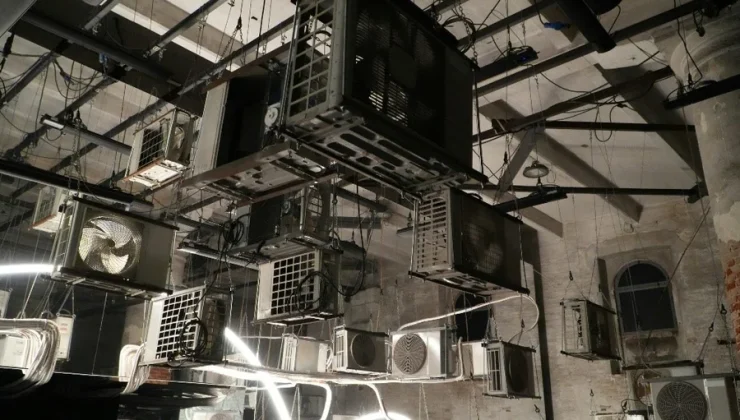
Heating, ventilation, and air conditioning systems play an essential role in maintaining comfort and indoor air quality. A well-functioning HVAC system keeps a space cool during hot months, warm during cold ones, and ensures proper airflow throughout the year.
However, even the most reliable systems can develop problems over time, especially without proper care. In Branford, CT, where changing weather places heavy demands on these systems, understanding common HVAC problems and how to prevent them is vital for maintaining comfort and avoiding unnecessary repairs.
1. Neglecting Routine Maintenance
One of the most common problems homeowners face with HVAC systems is neglecting routine maintenance. When regular check-ups are ignored, dust and debris collect inside the unit, air filters clog, and airflow becomes restricted.
This neglect forces the system to work harder than necessary, which not only raises energy consumption but also increases wear on vital components. Over time, small issues that could have been resolved early may escalate into serious and costly breakdowns.
Preventing this problem starts with staying proactive about system care. Hiring a professional HVAC service in Branford, CT ensures that the unit is inspected, cleaned, and tuned with precision. Trained technicians can detect developing issues, replace worn parts, and keep the system running at its best.
Regular maintenance performed by professionals helps maintain efficiency, improve air quality, and significantly extend the life of the HVAC system.
2. Clogged or Dirty Air Filters
Air filters are among the simplest yet most critical components in any HVAC system. Their job is to capture dust, pollen, and debris before these particles circulate through the air. Over time, filters can become clogged, making it difficult for air to pass through. This restriction forces the system to work harder, which reduces efficiency and can even cause it to overheat.
Preventing clogged filters is straightforward. Filters should be inspected regularly and replaced when they begin to look dirty. In households with pets or high dust levels, more frequent replacement may be necessary.
3. Refrigerant Leaks
Refrigerant is the substance that allows an air conditioning system to cool the air. If a leak develops, the system loses its ability to maintain comfortable temperatures. Low refrigerant levels can cause the evaporator coil to freeze, reducing cooling capacity and potentially damaging the compressor.
Refrigerant leaks often result from corrosion, loose fittings, or damaged coils. Early detection is crucial to prevent further harm. Regular inspections by qualified technicians can catch leaks early, ensure proper refrigerant levels, and restore the system’s efficiency. Keeping the refrigerant lines and coils in good condition is essential for maintaining optimal cooling performance.
Regular maintenance is crucial to avoid common HVAC issues such as clogged filters, refrigerant leaks, and thermostat malfunctions. Scheduling routine check-ups can help identify potential problems before they escalate, ensuring your system runs efficiently. For those seeking professional assistance, https://www.elemental-hvac.com/ offers expert services to keep your HVAC system in top condition. By addressing minor issues early, you can prevent costly repairs and extend the lifespan of your equipment. Additionally, keeping the area around your HVAC unit clear of debris and ensuring proper insulation can further enhance its performance, providing a comfortable and energy-efficient environment in your home.
4. Thermostat Malfunctions
The thermostat serves as the control center of an HVAC system, regulating temperature and ensuring consistent comfort. When a thermostat malfunctions, it may cause the system to cycle on and off at the wrong times, leading to uneven heating or cooling. Faulty wiring, poor calibration, or sensor issues are often the cause.
To prevent thermostat problems, it should be checked periodically to confirm it reads temperatures accurately. If the thermostat uses batteries, they should be replaced as needed.
5. Blocked or Leaking Ductwork
The ductwork distributes conditioned air throughout a building, but when it becomes blocked or develops leaks, efficiency declines sharply. Dust buildup, insulation gaps, or disconnected joints can prevent air from reaching certain rooms, resulting in uneven temperatures. Leaks can also cause energy loss, forcing the system to work longer to achieve desired comfort levels.
Preventing ductwork problems involves regular inspections and cleanings. Technicians can seal leaks, remove blockages, and verify that all ducts are properly connected. Ensuring that ductwork is well-maintained not only improves airflow but also helps the HVAC system operate quietly and efficiently.
6. Electrical Component Failures
An HVAC system depends on a variety of electrical components, including capacitors, contactors, and wiring. Over time, these parts can deteriorate from continuous use, voltage fluctuations, or exposure to moisture. Electrical failures may cause the system to stop running altogether or operate unpredictably.
To prevent such failures, all electrical connections should be checked during maintenance visits. Tightening loose wires, replacing worn components, and testing voltage levels help avoid sudden breakdowns. Addressing electrical issues early ensures both performance and safety.
7. Dirty Coils
The evaporator and condenser coils play vital roles in the heating and cooling process. When dirt accumulates on these coils, heat transfer becomes inefficient, making it harder for the system to cool or heat the air properly. This can increase energy use and cause the system to run longer than necessary.
Cleaning coils at least once a year can make a noticeable difference in performance. Keeping the area around the outdoor unit free from leaves, grass, and debris also helps prevent buildup. Clean coils promote smoother operation, reduce strain on the system, and support consistent comfort indoors.
8. Poor Airflow and Blocked Vents
Poor airflow can cause rooms to feel stuffy or unevenly conditioned. This issue often results from blocked vents, closed registers, or issues with the blower fan. When airflow is restricted, the system must work harder, which can lead to overheating or mechanical strain.
Preventing poor airflow involves ensuring all vents remain open and unobstructed by furniture or curtains. Regularly vacuuming vents and keeping the blower fan clean helps maintain steady air movement. Balanced airflow contributes to even temperatures and efficient operation.
9. Frozen Evaporator Coils
Frozen evaporator coils are a sign that the system is not functioning as it should. This can occur when airflow is restricted, refrigerant levels are low, or the blower motor is malfunctioning. A frozen coil prevents the HVAC unit from cooling properly and can damage the compressor if left unaddressed.
Preventing frozen coils begins with maintaining proper airflow. Clean filters, adequate refrigerant, and regular inspections all help ensure that air moves freely and temperatures remain stable within the system.
Keeping Your HVAC System Reliable
A dependable HVAC system requires consistent attention and care. Regular cleaning, timely part replacements, and professional inspections all work together to keep it running smoothly. Homeowners who make maintenance a priority enjoy better comfort, lower energy costs, and fewer repair surprises throughout the year.
By understanding these common problems and taking preventive steps, anyone can extend the life of their HVAC system and maintain a comfortable indoor environment season after season. The key lies in routine care, professional service, and a commitment to keeping the system in its best possible condition.