
Eyes That Command Attention: Artistic Portrait Essentials
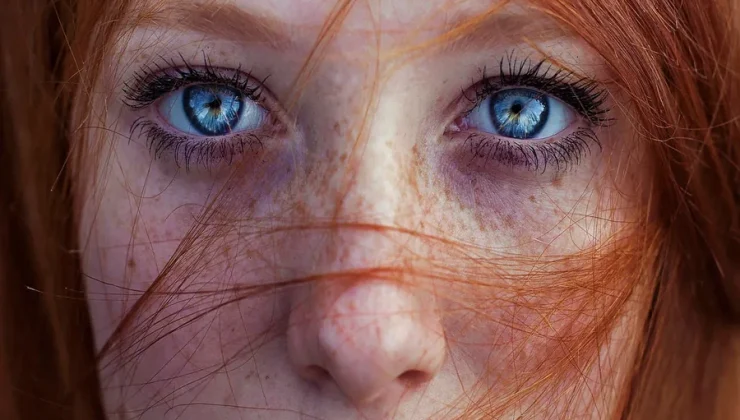
Creating portraits that genuinely connect with viewers starts with mastering how eyes work within your frame. Amateur portraits often fail because the gaze gets lost, overshadowed by busy backgrounds or poor light placement. Understanding a few fundamental principles transforms ordinary shots into compelling artwork that stops people mid-scroll.
Light Direction Creates Drama
The relationship between your light source and eye position determines whether your subject looks vibrant or lifeless. Side lighting at 45 degrees creates depth by casting subtle shadows that define eye sockets and bone structure. This Rembrandt-style setup has worked for centuries because it naturally draws attention exactly where you want it.
Catchlights – those small reflections in pupils – breathe life into portraits. Position your main light so it creates a distinct sparkle without overwhelming the eye’s natural darkness. If you add eyelashes to photo — RetouchMe app afterward, professional editors ensure enhancements align with your existing light direction rather than fighting against it.
Composition Rules That Actually Matter
Eye level positioning influences emotional impact significantly:
- Shooting slightly below eye level adds power and confidence to your subject, making them appear commanding and authoritative in the frame.
- Level positioning creates equality and intimacy between subject and viewer, establishing connection without psychological distance or superiority.
- Shooting from above makes subjects appear vulnerable or introspective, useful for conveying softness, reflection, or emotional openness.
These angles fundamentally change how audiences interpret personality and mood in your portraits.
Manage Focus and Depth Strategically
Sharp focus on the nearest eye is non-negotiable in portrait work—this is where viewers look first and longest. Everything else can fall into softer focus, but blurring the primary eye destroys the entire portrait’s impact regardless of other technical excellence.
Depth of field controls how much attention stays concentrated on eyes versus spreading across the entire face:
- Shallow depth (wide aperture like f/1.8) isolates eyes dramatically by blurring everything else, creating intense, intimate portraits that feel personal.
- Moderate depth (f/4-f/5.6) keeps most facial features sharp while gently softening backgrounds, balancing context with focus appropriately.
Choose based on whether you’re creating dramatic fine art or documentary-style character studies.
Even perfectly composed portraits benefit from targeted refinement. RetouchMe’s professional editors work manually to enhance lash definition and eye brightness while respecting your original artistic vision and lighting choices.
Their approach maintains the authenticity that separates compelling portraits from over-processed attempts that lose emotional resonance. Small enhancements amplify rather than replace the connection you established during capture, ensuring eyes remain the powerful focal point they deserve to be.
Conclusion
Mastering eye-focused portrait techniques is ultimately about guiding your viewer’s attention with purpose. When you control light direction, maintain intentional eye-level angles, and prioritize focus where it matters most, your images naturally become more expressive and emotionally engaging. Even the smallest details—like catchlights or subtle depth-of-field choices—shape how your audience connects with your subject. And with careful, professional enhancements from tools like RetouchMe, you can elevate those details without sacrificing authenticity. By combining thoughtful capture with respectful refinement, you create portraits where the eyes don’t just look alive—they tell compelling stories that stay with viewers long after they’ve scrolled past.