
What Bidirectional EV Charging Means for Your Vehicle
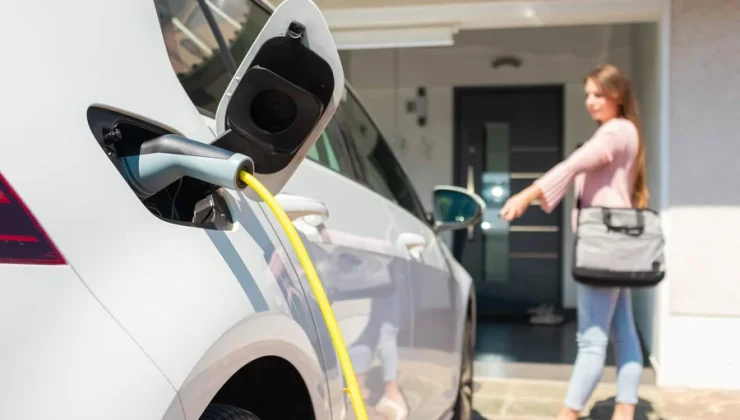
Bidirectional electric vehicle (EV) charging represents a significant evolution in the way energy flows between EVs and the grid. Traditionally, EV charging has been unidirectional, with electricity flowing from the grid to the vehicle. However, bidirectional charging introduces the concept of two-way energy transfer, allowing EVs not only to draw power from the grid but also to return it when needed. This innovation opens the door to a range of applications that can enhance energy efficiency, grid stability, and cost savings for users.
The technology behind bidirectional charging is based on advanced inverters and communication systems that enable the vehicle to act as both a load and an energy source. These chargers can convert DC power stored in a vehicle’s battery into AC power compatible with the grid or home usage. While the technical foundation is complex, the functionality is seamless for users who benefit from smarter energy interaction. This capability has given rise to concepts like Vehicle-to-Grid (V2G), Vehicle-to-Home (V2H), and Vehicle-to-Load (V2L).
For consumers, this means their EVs are no longer just a means of transport but also integral components of an intelligent energy ecosystem. With the increasing integration of renewable energy sources, bidirectional charging enables EV owners to store excess solar or wind power and deploy it when demand spikes. This transforms the EV from a passive participant into an active energy asset, capable of helping to reduce reliance on fossil fuels and improve overall grid efficiency.
How Vehicle-to-Grid (V2G) Adds Value
One of the most transformative applications of bidirectional charging is Vehicle-to-Grid (V2G) technology. V2G allows EVs to send stored electricity back to the power grid, acting as distributed energy storage systems. This is particularly useful during peak demand periods, when the grid is under strain and additional power supply is crucial to maintain stability and avoid outages. By tapping into the stored energy of thousands of EVs, utilities can reduce the need for costly and polluting peaker plants.
For EV owners, participating in V2G programs offers financial incentives. Utilities and energy providers are beginning to roll out compensation models that pay users for the electricity their vehicles supply to the grid. This can offset charging costs, reduce total cost of ownership, and even generate a modest income stream for users who participate regularly. It is an attractive proposition that positions the EV as a revenue-generating asset rather than a cost center.
Furthermore, integrating V2G capabilities contributes to grid modernization and sustainability goals. By flattening demand curves and enabling decentralized power generation, V2G helps utilities balance loads more effectively. This integration also fosters resilience, allowing local grids to better withstand disruptions caused by extreme weather events or technical failures. As the world transitions to a more decentralized energy model, V2G could serve as a foundational element in the smart grids of tomorrow.
The Impact on Home Energy Management
Vehicle-to-Home (V2H) and Vehicle-to-Building (V2B) are applications of bidirectional charging that bring value directly to individual consumers and property owners. With these systems in place, an EV can function as a backup power source during outages or as a supplement during high-tariff periods. Homeowners can use their vehicle’s battery to power essential appliances, heating, and lighting, reducing reliance on the grid and increasing energy self-sufficiency.
This approach becomes especially powerful when integrated with renewable energy systems, such as rooftop solar panels. During daylight hours, excess solar power can be stored in the EV battery instead of being sent back to the grid at a lower rate. That energy can later be used during evening peak periods, increasing self-consumption rates and maximizing the return on investment in solar infrastructure. The synergy between solar and V2H has the potential to make homes not only greener but also more economically efficient.
As bidirectional charging moves from pilot projects to early deployment, equipment manufacturers are beginning to translate grid-interactive concepts into deployable hardware. Several suppliers are now introducing bidirectional EV charging systems designed to support two-way power flow between electric vehicles and the grid. Among them, ChargeTronix offers solutions that emphasize interoperability, multiple power configurations, and networked communication. Its Phoenix V2G chargers reflect features that are increasingly seen as prerequisites for integrating electric vehicles into broader energy and grid-management strategies across commercial, municipal, and residential sites.
Fleet Applications and Business Implications
Commercial fleets stand to gain significantly from the adoption of bidirectional charging. Fleet operators typically manage large numbers of vehicles with predictable usage patterns and centralized charging infrastructure. This makes them ideal candidates for V2G deployment, where vehicles can serve the grid during idle periods and still be ready for operation when needed. The economic benefits multiply across the scale of the fleet, making it a compelling business case.
In addition to grid support, bidirectional charging enables energy arbitrage for businesses. By charging vehicles during off-peak hours when electricity is cheaper and discharging during peak times, fleets can reduce their energy bills and better manage operational costs. This strategy aligns with broader corporate sustainability goals and enhances energy intelligence, which is increasingly critical in today’s competitive business environment.
Moreover, integrating bidirectional systems into fleet operations can improve resiliency. During grid outages or energy disruptions, EVs can provide temporary power to critical business functions, ensuring continuity of operations. Businesses that embrace this technology early can position themselves as leaders in sustainability and innovation, benefiting from both economic and reputational advantages in an increasingly eco-conscious market.
Challenges in Implementation and Adoption
Despite its promise, bidirectional charging faces a number of challenges that could slow widespread adoption. One major hurdle is the current lack of standardized communication protocols between EVs, chargers, and the grid. Different manufacturers may use proprietary systems that limit interoperability, making it harder for consumers to take advantage of V2G or V2H services without significant investment in compatible equipment.
Another obstacle is regulatory uncertainty. Utilities and energy providers operate under complex frameworks that vary by region, and many jurisdictions have not yet updated their policies to accommodate bidirectional energy flow. Issues such as metering, taxation, and compensation for energy exported to the grid remain contentious. Without clear guidelines, both consumers and providers may hesitate to invest in the necessary infrastructure.
Additionally, battery degradation concerns continue to influence user perceptions. While modern EV batteries are built to withstand thousands of cycles, some consumers worry that frequent discharge for grid support could shorten battery lifespan. Research indicates that the impact is minimal when managed properly, but educating the public and offering warranties or guarantees could help alleviate these concerns. Addressing these technical and regulatory barriers will be essential to realizing the full potential of bidirectional charging.
The Role of Automakers and Infrastructure Providers
Automakers play a pivotal role in the success of bidirectional charging. While some manufacturers have already introduced V2G-compatible models, broader adoption will require consistent support across the industry. Vehicle systems must be equipped with the necessary hardware and software, and manufacturers must ensure that warranties and battery performance expectations align with bidirectional use cases. This requires investment in both technology and customer education.
Infrastructure providers, too, are central to the ecosystem. They must design charging solutions that are flexible, scalable, and user-friendly. Bidirectional chargers need to meet stringent safety and communication standards while being adaptable to various use scenarios, from homes to large fleet depots. Companies that can offer vertically integrated solutions, combining hardware, software, and services, will likely lead the market as demand grows.
Collaborations between automakers, utility companies, and charging equipment providers will be key to overcoming fragmentation. Joint initiatives and pilot programs can help demonstrate the feasibility and benefits of bidirectional charging at scale. These efforts will also pave the way for more favorable regulatory frameworks and funding opportunities, helping to drive down costs and build confidence among early adopters.
The Future Outlook for Bidirectional Charging
As the electric vehicle market matures, bidirectional charging is poised to become a mainstream feature. Regulatory support, technological standardization, and consumer awareness are expected to improve over the next several years. Governments and utilities are increasingly recognizing the value of decentralized energy resources, and incentives for smart charging infrastructure are becoming more common.
For consumers, this evolution represents a paradigm shift in vehicle ownership and energy use. EVs will no longer be passive energy consumers but active participants in the power ecosystem. Households could achieve greater energy autonomy, businesses could enhance their operational resilience, and communities could benefit from improved grid stability and sustainability. The economic and environmental implications are far-reaching.
Ultimately, the transition to bidirectional charging reflects a broader trend toward intelligent, interconnected energy systems. As more vehicles, buildings, and grids become digitally linked, opportunities for optimization, cost savings, and sustainability will continue to expand. Bidirectional charging is not just a technological upgrade; it is a foundational pillar of the future energy landscape, one that is reshaping the role of the vehicle in modern society.