How to Choose the Right Rigging Equipment for Your Business Needs
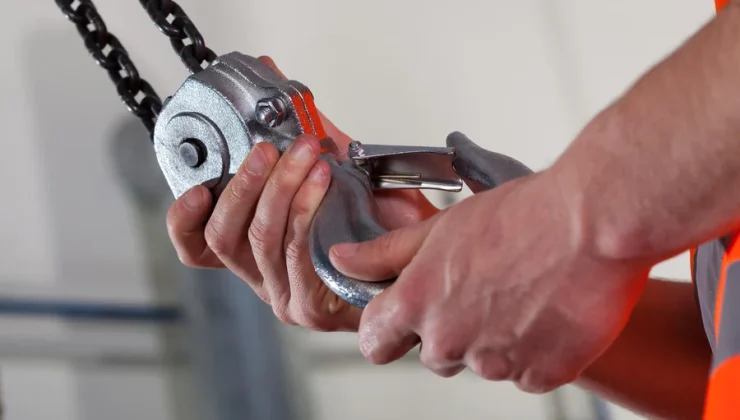
Explore how to match rigging equipment to your business needs, balancing load capacity, safety standards, and operational efficiency.
Have you ever wondered if your business is using the best rigging equipment for the job? Choosing the wrong tools can slow operations and increase risks. Every lift, pull, or move relies on the right gear.
From cranes to slings, each piece has a purpose. Understanding how to select equipment ensures safety and efficiency.
Businesses can save time and money with the correct choices. Keep reading to discover how to match rigging equipment to your exact business needs.
Assess Your Load Requirements
The first thing you need to do is find out how much weight your equipment can hold. Gear that is too heavy can lead to accidents and damage.
Any of the tools should never be used more than what they are designed to handle. Think about what the project needs now and what it will need in the future. To keep things running smoothly and safely, load capacity needs to be matched correctly.
Prioritize Safety Standards
Safety should always be the first thing you think about when choosing equipment. Look for tools that have been approved by the industry and follow their rules. Routine inspections make it easier to find wear or problems early on.
It is important for employees to get the right training so they can use the equipment correctly. Investment in certified and well-kept equipment can help lower the number of accidents that happen at work.
Choose the Right Type of Equipment
There are different rigging tools that are needed for different jobs. Each of these hoists, slings, chains, and hooks is used for a different thing. It’s important to use the right kind to make sure it works well and avoid damage.
When you make decisions, you should think about the place where you work. It is possible to make the project go more smoothly by choosing the right tools.
Check Material Quality
The materials used in rigging equipment affect durability and performance. High-quality steel or alloy resists wear and corrosion. Properly maintained materials extend the life of tools.
Businesses often rely on trusted suppliers for consistent quality. Using reputable wire rope supplies guarantees reliability and reduces replacement costs.
Evaluate Operational Efficiency
Being efficient doesn’t just mean being quick; it also means doing the job safely and reliably. It is important that the equipment is easy to use and doesn’t need many adjustments.
Tools that cut down on downtime can help you improve your workflow. It’s important to find designs that make it easier to move and lift. In the long run, operations that work well save both time and money.
Consider Maintenance and Longevity
Performing regular maintenance on equipment helps it last longer and keeps it from breaking down when you least expect it. Following the manufacturer’s instructions for cleaning and checking is always important. Extra parts should always be close by so that repairs can be done quickly.
Maintenance keeps both the safety and the performance of equipment in good shape. If you invest in things that will last, you won’t have to replace them as often, and projects will stay on schedule.
Choosing the Best Rigging Equipment for Operational Efficiency of Your Business
It is important for both safety and productivity to choose the right rigging equipment. Figure out how much weight needs to be carried, put safety first, and pick the right kind and quality of tools.
For long-term performance, pay attention to efficiency and upkeep. Each choice affects project success and operational costs. Businesses can be smarter and safer at work by carefully looking at these factors.
Did you like this guide? Please browse our website for more!