Top Maintenance Tips for Extending Your Roof’s Lifespan

Your roof is one of the most important parts of your home. It protects the inside from rain, wind, snow, heat, and other weather. Because it faces these conditions every day, it will slowly wear down over time.
Good maintenance can help slow this process. Small tasks, such as cleaning gutters and checking for missing shingles, can prevent larger problems. Regular care can also help you notice damage before water enters your home.
Taking care of your roof does not always require major work. A simple maintenance plan followed throughout the year can help your roof stay stronger and last longer. It can also reduce the chance of expensive emergency repairs.
Inspect Your Roof on a Regular Schedule
Regular inspections can help you find roof problems early. You do not have to wait until water starts leaking through the ceiling before checking for damage.
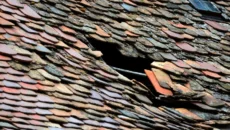
Look at the roof from the ground several times a year. Watch for loose, cracked, curled, or missing shingles. You should also look for dark areas, damaged edges, or sections that appear uneven.
Storms can cause sudden damage, so check the roof after strong wind, hail, or heavy rain. Even if the roof looks fine from a distance, smaller problems may still be present.
Professional roof inspections can also be helpful. A trained roofer can safely examine areas that are difficult to see and may find early signs of wear that a homeowner could miss.
Keep Gutters and Downspouts Clean
Gutters play an important role in protecting your roof. They collect rainwater and direct it away from the building.
When gutters become blocked with leaves, dirt, and branches, water may overflow. It can then collect near the roof edge or move under roofing materials. Over time, this moisture can lead to damage.
Clean your gutters several times during the year. Fall is especially important because falling leaves can quickly create blockages. Homes surrounded by trees may need more frequent cleaning.
Check your downspouts at the same time. Water should flow freely through them and move away from the foundation. Good drainage helps protect both the roof and the rest of the home.
Repair Small Roofing Problems Early
A small roof problem can quickly turn into a larger one if it is ignored. One loose shingle or tiny opening may allow water to enter during a storm.
Water can damage roof decking, insulation, ceilings, and walls. If moisture remains hidden for a long time, it may also lead to mold or wood rot.
Pay attention to missing shingles, damaged flashing, small leaks, and other warning signs. Repairing them early is usually easier than waiting until the damage spreads.
Homeowners comparing Residential and Commercial Roofing Services can review different maintenance and repair options when deciding how to handle roof damage or ongoing care.
Quick action can also help protect nearby roofing materials. Fixing one damaged area may prevent moisture from reaching other parts of the roof.
Trim Trees and Branches Near the Roof
Trees can make a property look beautiful and provide useful shade. However, branches growing too close to the roof can cause several problems.
During windy weather, branches may scrape against shingles and wear away their protective surface. Larger limbs may also break and fall onto the roof during storms.
Leaves and twigs can collect in roof valleys and gutters. This debris can hold moisture and prevent rainwater from draining properly.
Trim trees so branches do not touch or hang directly over the roof. If large branches are difficult to reach, use a professional tree service instead of trying to cut them yourself.
Keeping trees under control can also reduce the amount of debris that needs to be removed from gutters throughout the year.
Watch for Signs of Moisture Indoors
Roof problems do not always appear first on the outside. In many cases, homeowners notice signs of moisture inside the building before they see roof damage.
Look at ceilings and walls for brown stains, damp spots, peeling paint, or bubbling surfaces. These signs may mean water is entering through the roof.
The attic should also be checked from time to time. Look for wet insulation, dark marks on wood, dripping water, or a musty smell.
It is especially useful to inspect the attic after heavy rain. Finding a small leak early can help prevent damage to insulation, wood, drywall, and personal items stored nearby.
Do not simply cover a water stain with paint. Find and repair the source of the moisture first.
Keep Debris Off the Roof Surface
Leaves, branches, dirt, and other debris can build up on a roof. This may not seem serious, but trapped debris can hold water against roofing materials.
Moisture that stays in one area for too long may cause shingles and other materials to break down faster. Roof valleys are especially important because they carry large amounts of rainwater.
Remove debris carefully when it begins to collect. Keep valleys, drainage areas, and roof edges as clear as possible.
Avoid walking on the roof unless necessary. Foot traffic can crack or loosen some roofing materials. It may also be dangerous if the roof is steep, wet, or damaged.
For hard-to-reach areas, professional cleaning is usually the safer option.
Check Flashing, Vents, and Roof Openings
Some parts of the roof are more likely to develop leaks than others. Areas around chimneys, vents, skylights, and pipes need extra attention.
Flashing is the material placed around these openings to keep water out. Over time, it can rust, crack, loosen, or pull away from the roof.
Check seals around vents and skylights too. Old sealant may dry out and create small gaps where water can enter.
Roof vents should remain open and clear. Good ventilation helps control heat and moisture in the attic.
Too much trapped heat can place extra stress on roofing materials during summer. Moisture can also collect in the attic if air does not move properly, which may lead to damage over time.
Protect Your Roof With Regular Maintenance
A roof is a major part of your home, and regular care can help protect that investment. Inspections, gutter cleaning, quick repairs, and good drainage all support a longer roof life.
The key is consistency. Do not wait until a major leak appears before paying attention to your roof. A few checks throughout the year can help you catch damage early, protect your home, and keep your roof working well for many years.
Read our latest blog posts to explore more insights and ideas today.