Solar-Compatible Electrical Installations in Perth: What to Know About Panel Wiring and Battery Backups
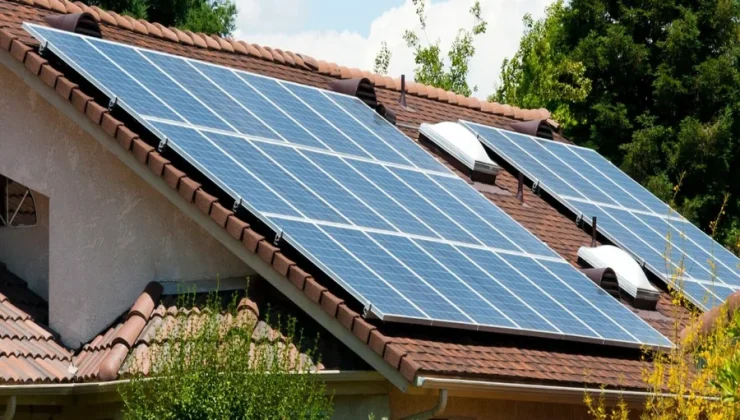
Solar power has become almost a normal part of life in Perth. With the amount of sunshine the city gets, it would feel strange not to take advantage of it. But what many people don’t realise—at least not until they speak with an installer—is that a solar system is much more than a few panels on a roof. The actual wiring, the way the battery connects, and how everything ties back into your switchboard all matter just as much as the panels themselves.
Talk to a few electricians in Perth and you’ll notice something: the most reliable systems are the ones where someone paid attention to the details behind the scenes. Clean wiring. Safe isolators. Correct cable lengths. Things homeowners rarely see but depend on every day. So, if you’re planning to install solar or considering a battery upgrade, it helps to understand how everything works together.
Solar Panels Are Only the Beginning
Solar panels get most of the spotlight, but the wiring underneath is what keeps the whole system running. Perth’s heat plays a bigger role than people expect. On a 40-degree day, anything left exposed outdoors—plastic, cable insulation, connectors—can degrade faster if it’s not rated for the climate.
Electricians pay close attention to things like:
- UV-resistant cabling
- correct conduit placement
- weatherproof connectors
- how long each cable run is
Even a small mistake in cabling can eat into the efficiency of the system. At first the loss may be tiny, almost unnoticeable, but year after year it adds up. This is why proper wiring planning matters.
The Inverter: The Part Most People Forget About
Everyone loves talking about how many panels they need, but the inverter is the piece that actually turns solar energy into electricity your home can use. And because it’s doing such an important job, electricians are very careful about where it goes.
Inverters don’t like heat.
Or direct sun.
Or cramped, unventilated spaces.
You might be surprised how many homeowners insist on putting their inverter in a spot that “looks tidy,” even though it may shorten its lifespan. A good electrician in Perth will guide you toward a spot with shade, ventilation, and easy access—three things that make a big difference over time.
Battery Backups Are Becoming Normal
A few years ago, battery storage felt like a luxury. Today, it’s almost becoming a standard add-on. Between heatwaves, rising energy costs, and evening power usage, a battery makes solar much more practical.
A well-installed battery lets you:
- store daytime energy for night use
- keep key appliances running during outages
- rely less on the grid
- stabilise household power loads
But here’s something many people don’t think about: battery wiring needs to be heavier and better protected than the wiring between solar panels. Batteries carry more current, and that means more attention to cable sizing, fuses, and ventilation.
Poor installation can cause inefficiencies at best and overheating at worst. That’s why choosing the right electrician matters so much.
How Everything Connects Back to the Switchboard
The switchboard is the centre of your home’s electrical system. When you add solar, you’re not just adding new wires—you’re creating new pathways for electricity to travel through. If the switchboard is outdated, overloaded, or missing the right safety devices, the installation can’t proceed safely.
Electricians usually check:
- number of available circuits
- the condition of safety switches
- main breaker capacity
- grounding and earthing quality
Sometimes a switchboard upgrade is needed before solar installation can begin. This isn’t just a technical requirement; it’s a safety one. A strong switchboard protects your home from faults, surges, and wiring overloads.
Panel Wiring Layout Matters More Than People Think
Solar energy travels through the wiring in “strings.” These strings of panels must be matched in voltage and direction. If one panel in the string is shaded or underperforming, it affects the entire chain.
Electricians in Perth often design string layouts based on:
- the angle of your roof
- how shadows move across the home
- expected summer and winter sun paths
- cable distance to the inverter
This planning is what separates a mediocre installation from a high-performing one. It’s also why solar quotes vary so much between companies—the layout isn’t the same for every home.
Adding Safety Through Isolators and Surge Protection
Solar systems have DC isolators that allow the system to be safely shut off when needed. These isolators must be weatherproof, fire-resistant, and compliant with WA electrical standards.
Surge protection is also becoming essential. Perth storms aren’t as frequent as in other states, but when they happen, they hit hard. A surge protector helps shield the inverter and battery from sudden spikes.
These components may seem small, but they play a huge role in protecting your investment.
Why Skilled Electricians Matter More Than Ever
Solar systems today are smarter and more complex than older setups. With multiple safety layers, monitoring systems, and battery integration, installation requires skill—not guesswork.
A reliable electrician:
- uses the right cable size for each part of the system
- positions devices carefully
- checks voltage drop levels
- labels everything clearly
- ensures all components meet Australian Standards
Done right, your solar setup will run for years with minimal issues. Done poorly, you’ll deal with faults, inefficiencies, and unexpected shutdowns.
Perth’s Climate Makes Proper Installation Essential
With long summers, harsh UV exposure, and rapid temperature swings, Perth homes need solar installations that are built for endurance. A system that’s wired well and protected properly performs better in heat, loses less power, and lasts longer.
Good solar systems don’t just happen—they’re designed.
Final Thoughts
Getting solar is a smart move for Perth homeowners, but the real value comes from a well-planned installation. Wiring, battery placement, inverter setup, and switchboard compatibility all play important roles. If you’re investing in clean energy, make sure you work with qualified electricians in Perth who know how to build a system that can stand up to local conditions.